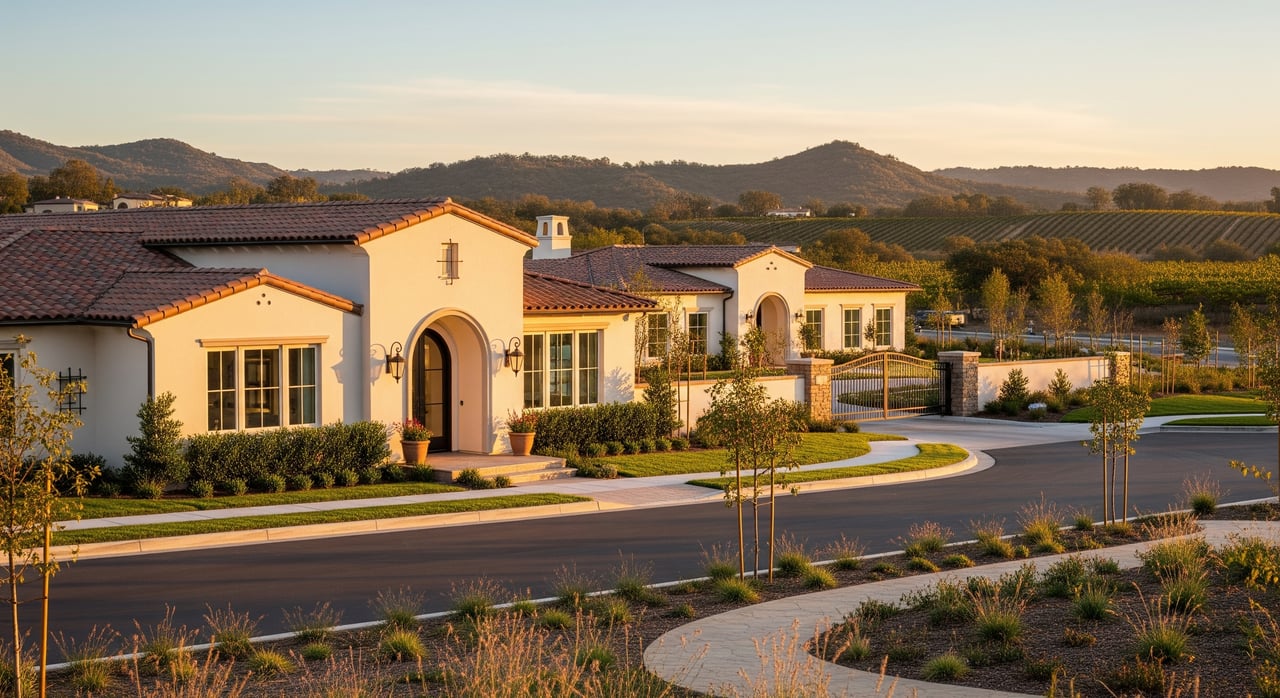
Thinking about a move to Temecula and wondering how its master-planned communities stack up? You are not alone. Many buyers want the neighborhood amenities, trails, and organized look that planned living provides, but they also want to understand HOAs, rules, and costs before they commit. This guide breaks down what to expect, what to ask, and a simple way to shortlist communities to tour with confidence. Let’s dive in.
What a master-planned community means for you
A master-planned community is a large, coordinated development with homes, parks, open space, and often shops or services designed into one plan. You are buying more than a house. You are buying into neighborhood amenities, shared maintenance, and an HOA that enforces community rules. Builders typically release homes in phases, so streets and amenities may complete over several years.
In Temecula, many planned neighborhoods include community pools and clubhouses, pocket parks, and miles of sidewalks and trails. Some also feature sports courts, splash pads, dog parks, or golf nearby. Always confirm which amenities are built today versus planned for later phases.
Temecula at a glance
Temecula sits along the I-15 corridor in southwestern Riverside County. People choose it for suburban breathing room, proximity to wine country recreation, and access to public parks and programs. Most residents drive for work, so proximity to I-15 is a key filter. Public transit is limited compared with coastal cities, so plan your commute by time of day and direction.
Amenities to prioritize
When you compare communities, list the amenities that match your lifestyle and ask how each is maintained.
- Pools, splash pads, and clubhouses for gatherings
- Playgrounds and sports courts for daily convenience
- Walking and jogging trails that connect to parks or schools
- Event spaces or community rooms you can reserve
- Golf or private facilities that may require separate memberships
Ask who owns and maintains each feature, how guest access works, and whether all promised amenities are already open. Completed amenities add certainty and support resale value.
Trails, parks, and connectivity
Many Temecula communities weave trails and sidewalks into their design. Check where the paths start and end, the surface type, and whether they connect to city parks or nearby shops. If you plan to walk or bike to schools, look for continuous sidewalks, safe crossings, and logical routes. In low-lying areas, ask how trails interact with storm drainage and whether flood-control basins double as open space.
HOAs, rules, and documents to review
HOAs in California operate under the Davis-Stirling Common Interest Development Act. Before you fall in love with a neighborhood, request and review the HOA document set. Focus on:
- CC&Rs, bylaws, and architectural rules
- Current budget and the most recent reserve study
- Monthly dues today and any planned increases
- Recent meeting minutes for the last 12 months
- Any special assessments or litigation notices
- HOA delinquency rate and rental or pet rules that matter to you
These documents reveal rule enforcement style, financial health, and upcoming projects. Strong reserves lower the risk of surprise assessments.
Schools and nearby services
Most of Temecula is served by Temecula Valley Unified School District. Because new phases can shift attendance boundaries, always verify the assigned schools for a specific address during your escrow period. If proximity to an elementary school matters, map the walking route and look for continuous sidewalks and safe crossings. Also note nearby libraries, after-school programs, day-care options, urgent care, and parks.
Commute and regional access
Your daily drive is a major filter. For some households, one person drives north toward Riverside or San Bernardino while another drives south toward Oceanside or San Diego. Measure peak travel times along I-15 and consider neighborhood access to major arterials. If you plan a multimodal commute, check park-and-ride options and how practical it is to reach regional rail by car.
Natural hazards and insurance
Parts of Temecula sit near chaparral and the wildland-urban interface, so wildfire risk deserves attention. Review fire hazard maps, ask about defensible space policies, and note brush clearance near homes and open space. Also check the FEMA flood status for the parcel, the neighborhood’s stormwater design, and any slope or drainage considerations for hillside lots. Insurance availability and cost can vary by hazard exposure, so request quotes for the property address early in your process.
Costs beyond the purchase price
Set a full budget that includes:
- Monthly HOA dues and what they cover, such as landscaping, amenities, and common-area insurance
- Possible special assessments for infrastructure or future amenities
- Property taxes, including any Mello-Roos or assessment districts in newer phases
- Utility charges, including any special district fees and connection costs
- Homeowners insurance, factoring in wildfire-related adjustments
Request a recent property tax bill, confirm any Mello-Roos, and review the HOA budget and reserve study to see what dues support.
New construction vs. resale
Both paths can work well in a master-planned setting. Here is how to weigh them:
- New construction benefits: builder warranties, modern energy features, and the chance to select your lot or finishes.
- New construction cautions: construction traffic, partial amenities until later phases deliver, and ongoing building next door.
- Resale benefits: mature landscaping, established routines for amenities, and fewer construction disruptions.
- Resale cautions: wear and deferred maintenance to check closely, plus existing HOA rules that may differ from newer phases.
If you choose new, ask for warranty terms, any third-party warranty, the phasing plan, and estimated completion dates for amenities. If you choose resale, request the full HOA packet and recent seller disclosures, then inspect carefully.
How to shortlist Temecula communities
Use this simple, step-by-step framework to narrow your options and get ready for tours.
Step 1: Set priorities and limits
Write down:
- Must-haves: bedrooms, office space, yard size, HOA cap, or walking access to a specific park
- Nice-to-haves: pool access, trail network, golf, or views
- Deal-breakers: commute beyond a set time, steep slope lot, or high wildfire exposure
Step 2: Build a candidate list
Work from community maps and the local MLS to assemble master-planned options within your budget. Ask your agent to pull HOA names, current dues, and amenity maps.
Step 3: Score each community
Give each candidate a 0–5 score on key factors:
- Amenities
- Walkability and trail connectivity
- Distance to your preferred school or program
- HOA cost fit and rules fit
- Commute time to your work anchors
- Natural hazard exposure, with higher scores for lower risk
Step 4: Pick 3–5 to tour
Select the highest-scoring communities that also have active listings. Sequence tours by commute direction and amenity interest so you can compare apples to apples.
What to request before a tour
Get as much of the paper trail upfront to save time later:
- HOA packet: CC&Rs, bylaws, rules, current budget, and the latest reserve study
- Community and site map showing amenities and ownership lines
- Recent HOA meeting minutes and any special assessment notices
- Seller’s Transfer Disclosure Statement and Natural Hazard Disclosure
- Latest property tax bill and any Mello-Roos documentation
- For new homes: builder warranty, phasing plan, and amenity completion schedule
What to look for during tours
Bring a simple checklist so you do not miss the details:
- Amenities: condition, hours, guest access, and parking
- Common areas: landscaping quality, signage, and lighting
- Streets and sidewalks: continuous sidewalks, safe routes to parks or schools
- Noise and traffic: visit during rush hours if possible
- Neighboring uses: proximity to schools, shopping, or major roads
- Lot factors: sun exposure for the backyard and privacy from neighbors
- Connectivity: cell signal and broadband options
- Drainage: signs of standing water or erosion
- Daily logistics: mail kiosks, package delivery and HOA trash rules
Red flags to watch for
Protect your budget and peace of mind by spotting these early:
- Low HOA reserves or a pattern of special assessments
- High dues with poor maintenance of common areas
- Unclear ownership of amenities or private access rules that limit use
- CC&Rs that conflict with your plans, such as strict exterior or rental limits
- Lawsuits, developer disputes, or recurring controversies in the minutes
- Promised amenities with no clear timeline or funding plan
Local resources and next steps
Before you make an offer, use official resources to verify boundaries, services, hazards, and taxes. Look to:
- City of Temecula Planning and Parks & Trails maps
- Temecula Valley Unified School District for school assignments
- Eastern Municipal Water District for water and sewer service areas
- CAL FIRE Fire Hazard Severity Zone maps
- Riverside County Assessor and Tax Collector for property tax and assessment districts
- California’s Davis-Stirling Act for HOA legal basics
If you want a local, hands-on partner to pull HOA packets, map commute options, and design efficient tours, reach out to a seasoned buyer’s agent who understands planned communities and relocation timing. You will save hours and avoid costly surprises.
Ready to talk through the shortlist that fits your lifestyle and budget? Connect with Kevin Laurent for a practical plan, on-the-ground insights, and next steps.
FAQs
What is a master-planned community in Temecula?
- A large, coordinated neighborhood with homes, amenities, parks, and shared rules managed by an HOA, often built in phases over several years.
How do HOAs work in California master-planned communities?
- HOAs follow the Davis-Stirling Act and must provide disclosures like CC&Rs, budgets, and reserve studies; review them to understand rules, dues, and financial health.
How do I compare amenities between Temecula communities?
- List must-haves like pools, trails, or clubhouses and confirm what is built now, who maintains it, guest policies, and any extra fees for private facilities.
What should families check about schools in Temecula?
- Verify the assigned schools for the property address with the district, then map safe walking routes and look for nearby parks and after-school options.
Are there extra taxes in newer Temecula developments?
- Some newer areas include Mello-Roos or special assessments; review the property tax bill and HOA disclosures to understand total annual costs.
Is wildfire a concern in Temecula neighborhoods?
- Parts of Temecula are near wildland areas; check official hazard maps, ask about defensible space requirements, and get insurance quotes early for the property address.
Should I buy new construction or a resale in a master-planned area?
- New offers warranties and modern features, while resale offers established landscaping and routines; weigh construction timelines, amenities, and total costs for each option.