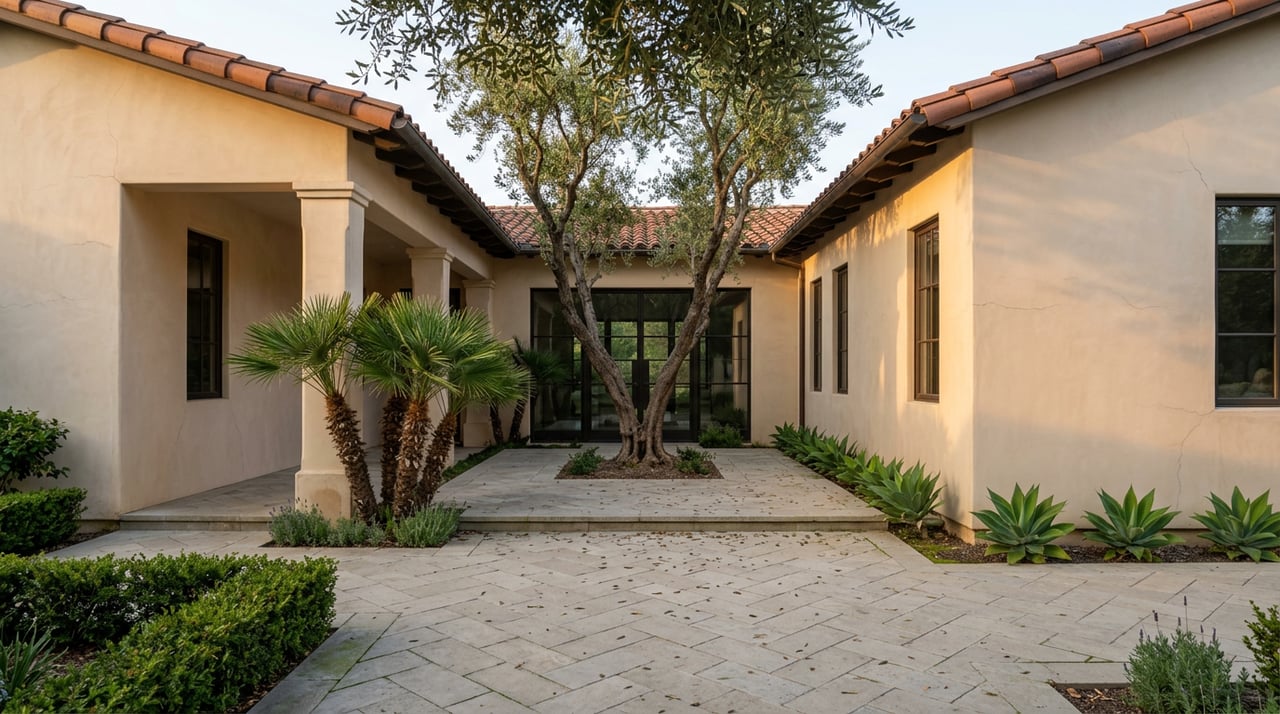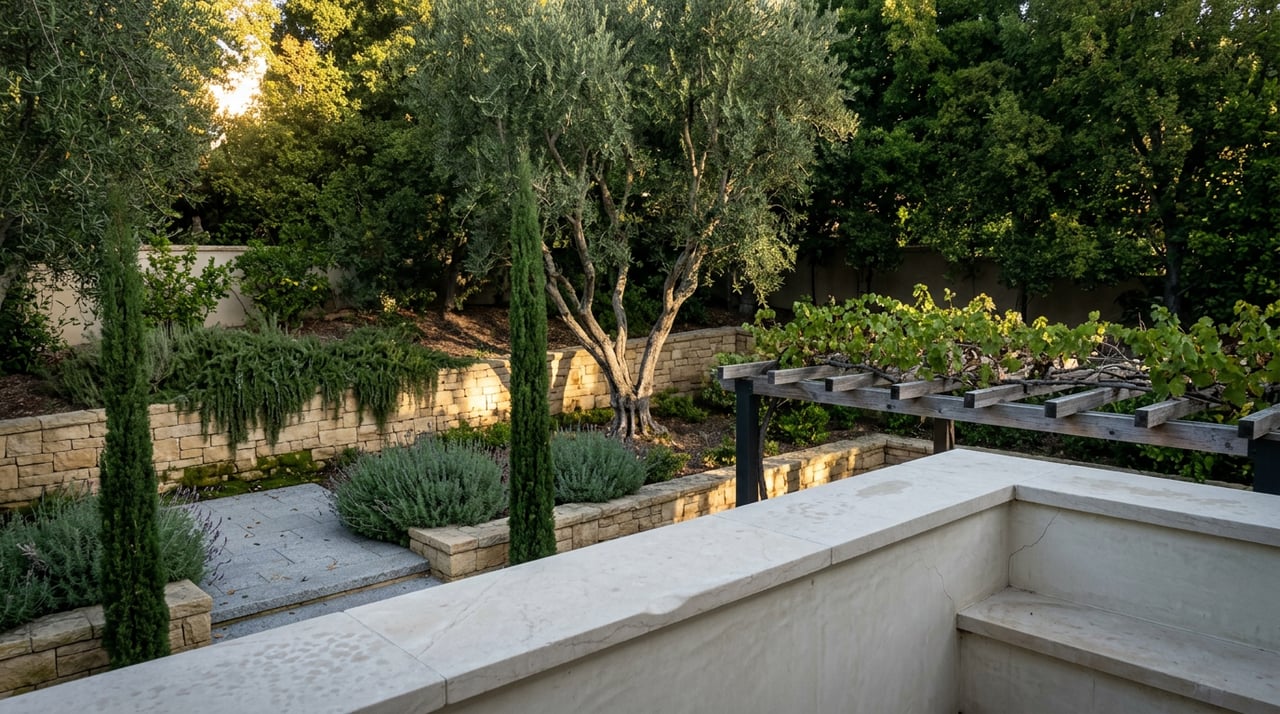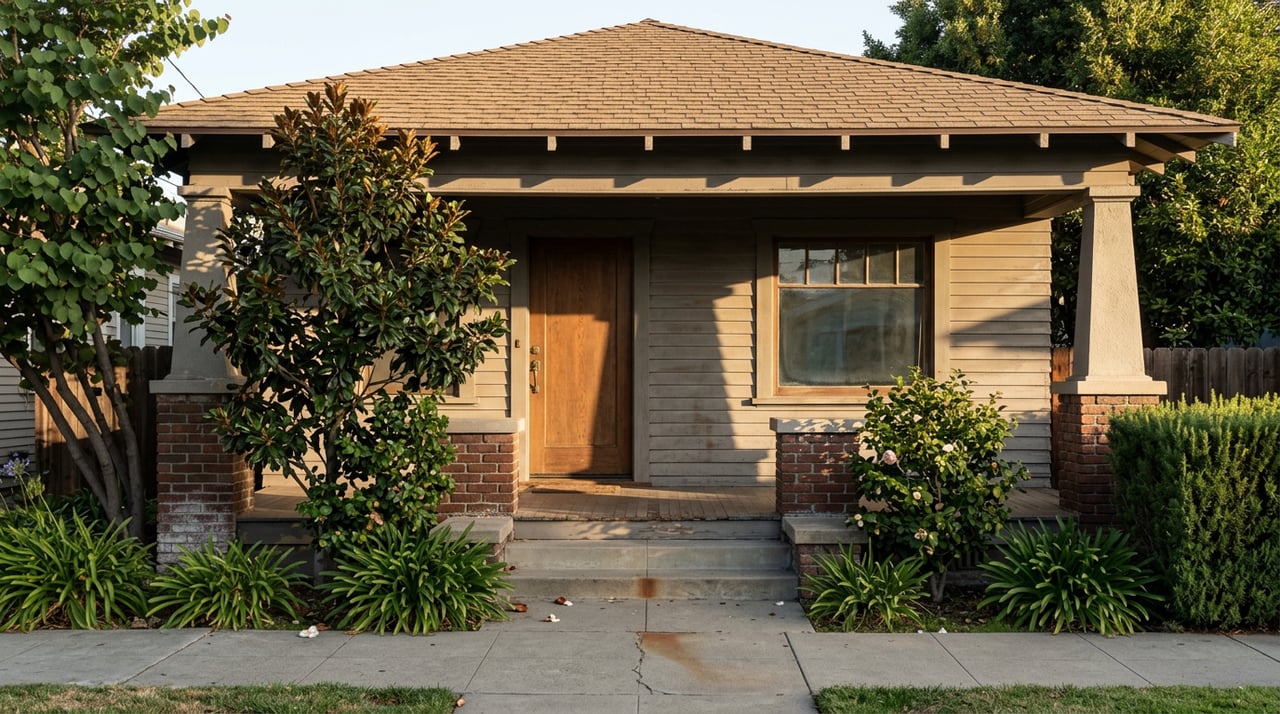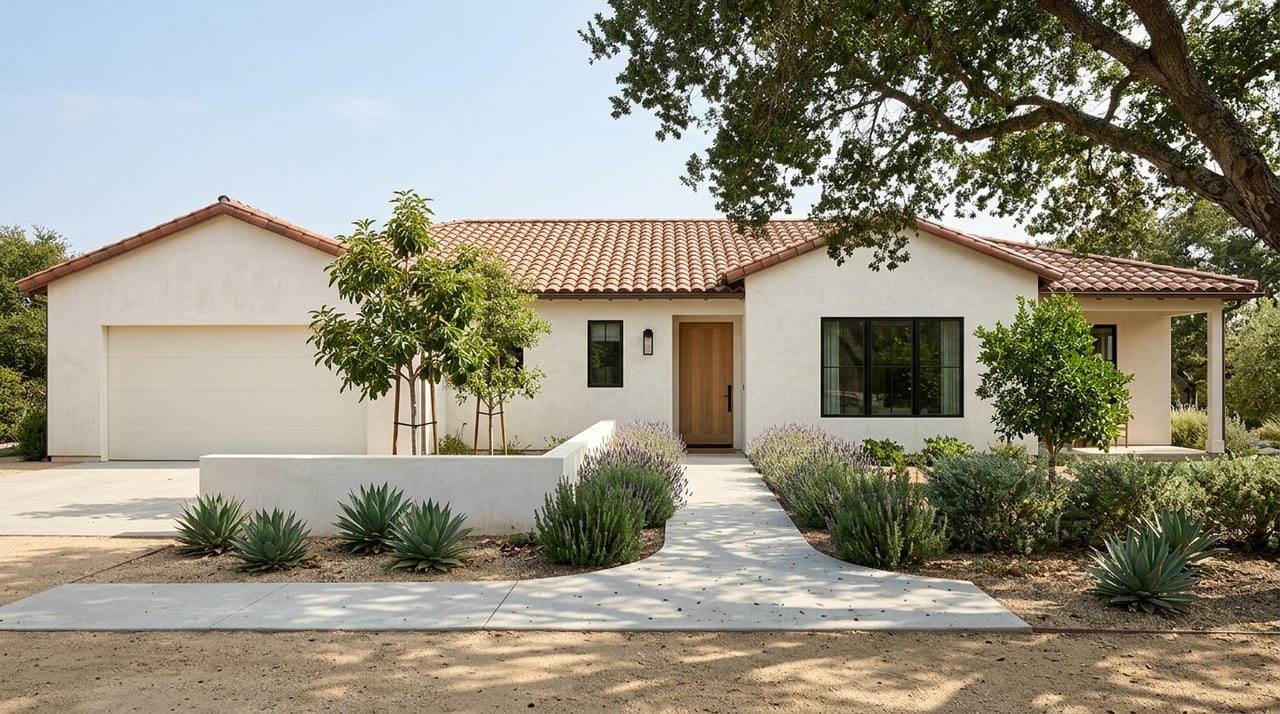
Choosing between Fallbrook and Temecula is not just about picking a home. It is about choosing the pace, setting, and daily routine that fit your life best. If you are weighing more land and a quieter rural feel against broader suburban convenience and a larger amenity base, this comparison will help you sort out what matters most and move forward with more confidence. Let’s dive in.
Fallbrook vs Temecula at a glance
If you want the simplest way to compare these two communities, think of Fallbrook as land and rural character and Temecula as suburban convenience and broader everyday options. Both offer appealing lifestyles, but they feel different once you look at density, housing patterns, amenities, and commute rhythms.
Fallbrook is an unincorporated San Diego County community covering about 36,000 acres. County planning materials describe rolling hills, orchards, a historic town center, and a rural agricultural identity. Temecula is a larger incorporated city with a stronger suburban footprint, a well-known Old Town district, and a region defined in part by roughly 3,000 acres of wine country.
Community feel in Fallbrook
Fallbrook tends to appeal to buyers who want space and a more relaxed everyday setting. Census data shows a population of 32,267 with a density of 1,839.5 people per square mile, which is lower than Temecula. That lower density supports the sense of breathing room many buyers notice right away.
The setting also helps shape daily life. County planning materials point to rolling hills, avocado and citrus orchards, and a historic center, while local community resources highlight trails, golf, arts, shops, and the Fallbrook Community Center. The result is a community that feels local, grounded, and less tied to a big suburban grid.
Community feel in Temecula
Temecula offers a larger-city experience compared with Fallbrook. Census data shows 112,431 residents and a density of 2,951.8 people per square mile, giving it a busier and more suburban feel overall. For many buyers, that translates into more options close at hand and a more connected daily routine.
The city highlights Old Town Temecula as a walkable historic district with shopping, restaurants, a Saturday farmers market, museums, and a community theater. Temecula also emphasizes its wine country identity. Its history page notes that completion of Interstate 15 in 1985 helped shape the city into a bedroom community and commuter road, which helps explain its more freeway-oriented rhythm.
Housing costs and market pace
Your budget will likely be one of the biggest deciding factors. Current Realtor.com market pages show Fallbrook with a median listing price of $961,000, compared with $840,000 in Temecula. That makes Fallbrook the higher-priced market on this comparison based on current listing trends.
The pace is fairly close, but not identical. Fallbrook shows median days on market of 50, while Temecula shows 45. Realtor.com currently labels Fallbrook a seller’s market and Temecula a balanced market, which can matter if you are trying to judge negotiating leverage.
Background housing value data points in the same direction. Census owner-occupied housing values show Fallbrook at $784,100 versus $679,700 in Temecula. That does not replace live market data, but it does reinforce the broader pattern that Fallbrook generally sits higher on the price ladder.
Lot sizes and property style
This is where the contrast gets especially clear. Fallbrook inventory regularly includes homes on 1.08, 1.21, 1.68, 2.02, 2.98, 3.76, 4.4, 7.9, and even 17.86 acres. If you picture more separation between homes, room for outdoor use, and a stronger estate or acreage feel, Fallbrook supports that vision more consistently.
Temecula offers more variety in lot size. Current listings include suburban parcels around 4,792 to 7,405 square feet, some around 0.28 to 0.83 acres, and larger estate sites such as 4.88, 5.12, 9.15, 19.41, and 21.06 acres. In practical terms, Temecula gives you a wider mix of tract-style neighborhoods and larger-lot options, while Fallbrook leans more steadily toward spacious parcels.
Amenities and everyday convenience
Fallbrook’s amenities tend to feel community-centered rather than large-scale. The Fallbrook Community Center includes playgrounds, tennis, sand volleyball, basketball, picnic areas, an auditorium, and meeting rooms. Local community information also points to arts, shops, trails, and golf as part of daily life.
Temecula generally offers a broader range of retail, dining, and entertainment choices. Old Town alone adds shopping, restaurants, museums, and community events to the mix. If you want more built-in suburban convenience and a wider range of destinations, Temecula usually checks that box more easily.
Schools and district structure
If school structure matters to your move, the two areas operate quite differently. Fallbrook uses a smaller split-district model. Fallbrook Union Elementary serves K through 8 across nine school sites, including two on Camp Pendleton, and Fallbrook Union High School District serves the greater Fallbrook community.
Temecula Valley Unified is much larger. The district includes 33 schools across 213 square miles, with 17 elementary schools, 2 TK through 8 schools, 6 middle schools, 3 comprehensive high schools, 1 continuation high school, 1 independent study high school, 3 charter schools, and 1 adult school. That larger structure may appeal to buyers who want a broader district footprint and more campus options across the city.
Commute and connectivity
Commute patterns can shape your lifestyle just as much as the home itself. Census data shows Fallbrook with a mean travel time to work of 32.8 minutes and Temecula at 36.3 minutes. That is not a dramatic gap, but it does support the idea that Temecula often operates with a stronger commuter pattern.
The geography adds more context. County materials describe Fallbrook as a lower-density community, with its eastern edge influenced by Interstate 15 and its town center nearer the western boundary. Temecula’s own history emphasizes the city’s connection to Interstate 15 and its role as a commuter corridor, which helps explain why it often feels more freeway-linked in daily life.
Who Fallbrook fits best
Fallbrook is often the better fit if you want a quieter setting, more land, and a more rural-agricultural identity. Buyers who value space, hills, orchards, and a smaller community structure may find that Fallbrook aligns better with how they want to live day to day. It can also be appealing if you are specifically looking for acreage or a property with a more estate-like feel.
That said, the tradeoff is usually price and convenience. Fallbrook’s median listing price is currently higher, and its amenity mix is more local than large-scale. If that balance works for you, the lifestyle payoff can be strong.
Who Temecula fits best
Temecula is often the better fit if you want a larger suburban city, broader retail and entertainment options, and more housing inventory at a somewhat lower current median listing price. Buyers who like having Old Town, wine country, and a wider range of day-to-day destinations nearby may feel more at home there. The larger school district structure may also be a plus depending on your needs.
The tradeoff is that Temecula generally feels busier and denser than Fallbrook. While larger-lot properties do exist, the city also includes many more typical suburban tract-lot options. If convenience matters more than a rural feel, Temecula often comes out ahead.
How to choose between them
A good decision usually starts with your non-negotiables. Ask yourself whether you care more about land, privacy, and rural character, or about convenience, inventory depth, and a wider amenity base. That one question often narrows the field quickly.
You should also look at your home search in practical terms:
- Choose Fallbrook if you want more acreage, a smaller community feel, and a quieter rural setting.
- Choose Temecula if you want broader suburban convenience, more inventory, and easier access to shopping, dining, and entertainment.
- Compare commute patterns if your work routine depends on freeway access.
- Review current listings closely because lot size and home style can vary meaningfully in both markets.
If you are relocating or trying to balance lifestyle with resale potential, it helps to view both communities through the lens of your actual weekly routine. The right choice is the one that supports how you want to live, not just what looks good on paper.
Whether you are narrowing down Fallbrook, comparing it to Temecula, or trying to understand how far your budget will go, an experienced local guide can save you time and help you make a clearer decision. If you want practical advice, local insight, and a hands-on strategy for your move, connect with Kevin Laurent.
FAQs
What is the main lifestyle difference between Fallbrook and Temecula?
- Fallbrook generally offers more land and a quieter rural-agricultural setting, while Temecula offers a larger suburban environment with broader shopping, dining, and entertainment options.
Is Fallbrook more expensive than Temecula for homebuyers?
- Based on current Realtor.com market pages, Fallbrook has a higher median listing price at $961,000 compared with $840,000 in Temecula.
Do homes in Fallbrook usually have larger lots than homes in Temecula?
- In general, yes. Fallbrook listings more consistently show acreage properties, while Temecula includes a wider mix of suburban tract lots and some larger estate parcels.
How do Fallbrook and Temecula compare for commuting?
- Census data shows mean travel time to work at 32.8 minutes in Fallbrook and 36.3 minutes in Temecula, and Temecula often feels more freeway-connected due to its Interstate 15 orientation.
How are school districts structured in Fallbrook and Temecula?
- Fallbrook uses a smaller split-district structure with separate elementary and high school districts, while Temecula Valley Unified is a larger district with 33 schools across a wider geographic area.