Wondering why selling a home with land in Fallbrook can feel more complex than selling a typical house? In this market, buyers are not just judging the kitchen, flooring, or paint colors. They are looking closely at the land itself, how it functions, and whether the property’s systems and structures are properly documented. If you want a smoother sale and stronger buyer confidence, it helps to prepare for the questions that come with rural and acreage properties. Let’s dive in.
Why Fallbrook land sells differently
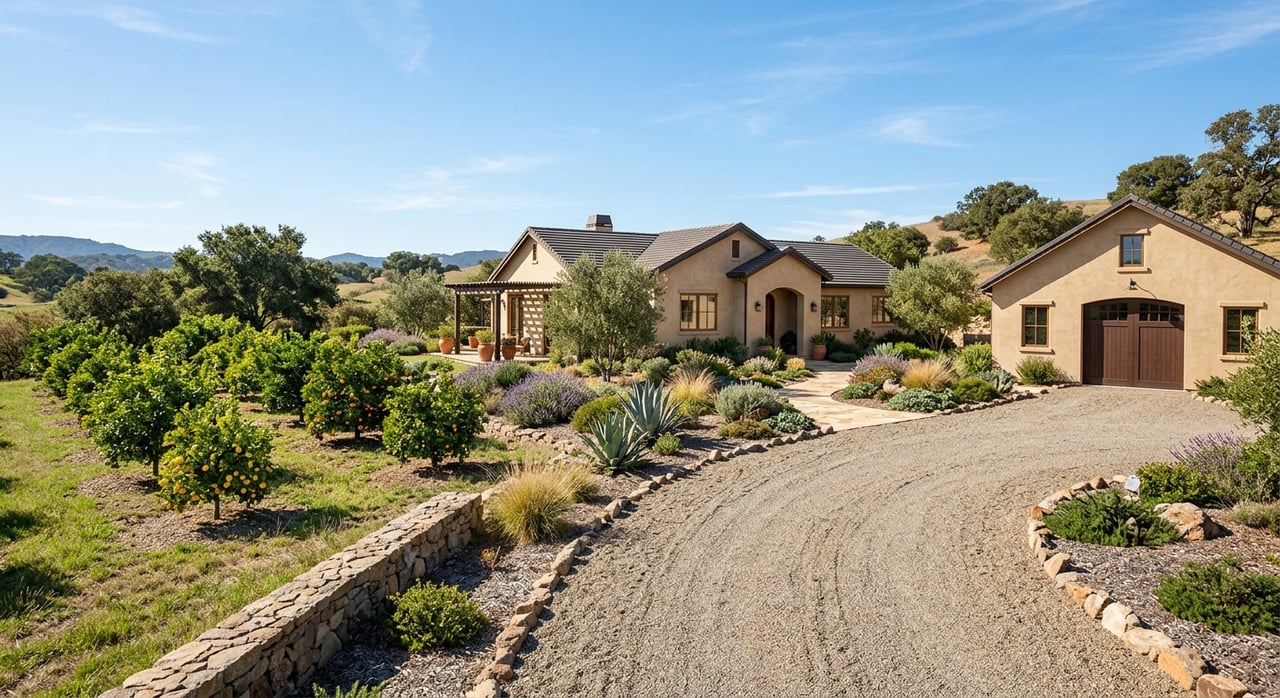
Fallbrook is not a standard suburban tract-home market. San Diego County describes the community as a large area with rolling hills, agricultural uses, and a village atmosphere shaped by low-density residential development. The local planning framework also supports country estates, groves, and equestrian-oriented uses.
That matters when you sell. Buyers often evaluate the parcel and the home together, which means your asking price and marketability may depend on more than interior upgrades. In many cases, usable land, access, water source, septic setup, slope, and outbuildings carry just as much weight as the house itself.
What buyers notice first
When a buyer tours a Fallbrook property with land, they usually want to understand how the acreage actually works. A large lot on paper may not feel the same in person if steep slopes, drainage paths, easements, or fire-clearance areas limit how the land can be used.
Buyers may also look at whether the property supports uses that fit Fallbrook’s rural character. Depending on the parcel and improvements, that could include groves, horses, livestock, barns, workshops, or other light agricultural uses that align with local planning expectations.
Usable acreage matters more than raw lot size
One of the biggest mistakes sellers make is assuming total acreage tells the whole story. In Fallbrook, buyers often care more about functional acreage than the number printed in the public record.
They may ask where flat or gently sloped areas begin and end, whether there are drainage constraints, and how much land is practical for planting, storage, animals, or recreation. If your property has retaining walls, swales, hillside pads, or access roads, those details can shape how buyers perceive value.
Access and topography affect confidence
The Fallbrook Community Plan places clear emphasis on rolling hills, natural features, and minimizing extensive grading. For sellers, that means access and terrain are not side issues. They are part of the property’s appeal and part of the buyer’s due diligence.
You should be ready to explain driveways, gates, turnarounds, drainage features, and erosion-control improvements. If a buyer can quickly understand how the site functions, they are more likely to move forward with confidence.
Prepare your property before listing
Homes with land usually need a longer prep window than a standard residential listing. That is because buyers often want answers early, and gathering records after the home hits the market can slow momentum.
A strong pre-listing plan helps you reduce uncertainty, present the property clearly, and avoid preventable surprises during escrow. In Fallbrook, that preparation often centers on wells, septic systems, outbuildings, zoning context, and wildfire readiness.
Verify water and well records
San Diego County notes that private wells are commonly used as the main potable water source in rural areas of the county. The county also regulates well design, construction, modification, and destruction, and maintains private well records by APN, with files dating back to the late 1970s.
If your property is served by a private well, it is smart to gather the well file, pump information, and any recent service or water-quality records before listing. Buyers often want to know whether the well is permitted and whether the file appears complete.
Confirm septic information
If your home uses septic rather than sewer, expect buyers to ask detailed questions. San Diego County says septic installation and modification are regulated by the Department of Environmental Health and Quality, and conventional systems are sized using percolation data and bedroom count.
That means your septic status can affect how a buyer views the property’s condition, financeability, and future flexibility. If available, gather the septic permit file along with pumping, inspection, or maintenance records so you can respond quickly when questions come up.
Review barns and accessory structures
On land properties, detached structures often add value only when their status is clear. County zoning guidance specifically addresses garages, carports, workshops, sheds, hobbyshops, barns, and agricultural buildings, including setback rules for detached accessory structures.
If your property has a barn, workshop, guest unit, shed, or similar improvement, confirm what was permitted, what may be grandfathered, and what may need attention before you go to market. Buyers tend to be far more comfortable when those answers are ready upfront.
Wildfire readiness is a key selling issue
In Fallbrook, wildfire documentation can be a major part of the sale. California disclosure rules for residential transfers cover natural hazards, and San Diego County requires defensible space compliance under its fire ordinance.
County guidance explains that the first 50 feet around a structure can use fire-resistant irrigated landscaping, while the remaining 50 feet should retain managed natural vegetation. CAL FIRE also states that 100 feet of defensible space is required by law, and a real estate defensible-space inspection may be needed at sale in high-risk zones.
What sellers should have ready
If your property is in a high or very high fire hazard severity zone, be prepared to discuss that clearly. Buyers may ask whether a defensible-space inspection has been completed and whether documentation is available.
It also helps to be ready to explain vegetation management, access, water supply, and any fire-safety improvements that support the property’s use. County guidance notes that local fire agencies may require additional vegetation clearance, so current documentation matters.
Disclosures deserve extra attention
California’s residential transfer disclosure law applies to single-family residential property sales and requires use of the standard disclosure form. Natural hazard disclosures can also apply to mapped hazards such as flood areas, very high fire hazard severity zones, earthquake fault zones, seismic hazard zones, and wildland fire or state responsibility area disclosures when applicable.
For a Fallbrook acreage property, complete and accurate disclosures help buyers make sense of a more complex asset. They also reduce the chance that basic property questions turn into bigger concerns later in the transaction.
Rural issues buyers expect you to address
Beyond standard residential disclosures, buyers often want clarity on the features that make a rural property unique. They may ask about:
- Fire-zone status and defensible-space inspection documentation
- Whether the home is served by a private well or public water
- Septic, sewer, or other wastewater setup
- Permit status for guest units, barns, workshops, and sheds
- Access, slopes, drainage, and erosion-control features
When you can answer these questions with records instead of guesses, your listing tends to feel more credible and easier to evaluate.
Fallbrook agriculture can shape buyer expectations
Agriculture is part of Fallbrook’s identity, and buyers should understand that context. California’s right-to-farm law states that commercial agricultural activity conducted in a manner consistent with accepted customs and standards is generally not considered a nuisance due to changed conditions after it has operated more than three years.
That matters if your property is near groves or other agricultural activity, or if the parcel itself has a history of agricultural use. Clear, factual communication helps buyers understand the setting and the expectations that come with it.
Market the property with facts, not fluff
A home with land usually needs more than attractive photos and a short description. In Fallbrook, buyers often respond best to evidence-heavy marketing that explains what the land offers and how the property functions.
That means your listing should clearly show where the usable acreage is, what improvements are permitted, what utilities or systems serve the property, and what ongoing maintenance may be needed for drainage or fire safety. The more precise the presentation, the easier it is for buyers to compare your property with other acreage homes.
Helpful documents to gather early
Before your home goes live, it helps to assemble a clean document package. Depending on the property, that may include:
- Property Summary Report or zoning verification by APN
- Well file and recent well-related records
- Septic permit file and maintenance records
- Permits for barns, workshops, sheds, or guest units
- Defensible-space inspection documentation, if applicable
Having these items ready can shorten delays, reduce uncertainty, and help serious buyers make decisions faster.
Timing matters with acreage sales
Selling a home with land often takes more planning than selling a typical house. Even when the property shows beautifully, buyers and their agents may need time to review permits, system records, wildfire documentation, and land-use details.
That is why a thoughtful launch usually beats a rushed one. When your pricing, disclosures, records, and marketing all line up from day one, you give yourself a better chance at attracting informed buyers and negotiating from a stronger position.
Work with a strategy built for complex properties
A Fallbrook land sale is rarely a one-size-fits-all transaction. The strongest results often come from a plan that combines local market knowledge, careful preparation, and clear communication about the property’s systems, structures, and usable land.
If you are thinking about selling a home with land in Fallbrook, the right guidance can help you identify issues early, present the property accurately, and position it for a smoother sale. To start with a tailored strategy and a complimentary home valuation, connect with Kevin Laurent.
FAQs
What makes selling a home with land in Fallbrook different from selling a standard house?
- Buyers in Fallbrook often evaluate the house and the land together, including usable acreage, slope, access, water source, septic setup, outbuildings, and wildfire readiness.
What well information should a Fallbrook seller gather before listing?
- If the property uses a private well, it helps to gather the county well file, pump information, and any recent service or water-quality records.
What septic details matter when selling a Fallbrook property with acreage?
- Buyers often want to know whether the septic system is permitted, how it is sized, and whether maintenance or pumping records are available.
What outbuilding records should a Fallbrook seller check?
- You should confirm the permit status of barns, workshops, sheds, guest units, garages, and other accessory structures, along with any relevant setback compliance questions.
What wildfire documents may matter when selling a Fallbrook home with land?
- If the property is in a high or very high fire hazard severity zone, buyers may expect defensible-space inspection documentation and clear information about vegetation management.
What documents help market a Fallbrook acreage property more effectively?
- Useful documents can include zoning verification or a Property Summary Report, well and septic files, permit records for accessory structures, and defensible-space documentation when applicable.