Dreaming of vineyard views, open space, and weekend wine tastings right outside your door? Temecula Wine Country can offer a lifestyle that feels scenic and special, but it is not the same as living in a typical suburban neighborhood. If you are thinking about buying here, it helps to understand the trade-offs before you fall in love with the views. Let’s dive in.
Temecula Wine Country at a Glance
Temecula Wine Country is less like a compact neighborhood and more like a large scenic district. According to the Temecula Valley winery map, the area spans more than 33,000 acres and includes nearly 50 wineries, mostly east of I-15 along Rancho California and De Portola Roads.
That scale shapes how the area feels day to day. You get rolling vineyard hills, mountain views, and a more open rural setting, not a tightly connected subdivision layout. The City of Temecula’s Wine Country overview also highlights the area’s destination appeal, with proximity to both San Diego and Los Angeles.
The Setting Feels Rural
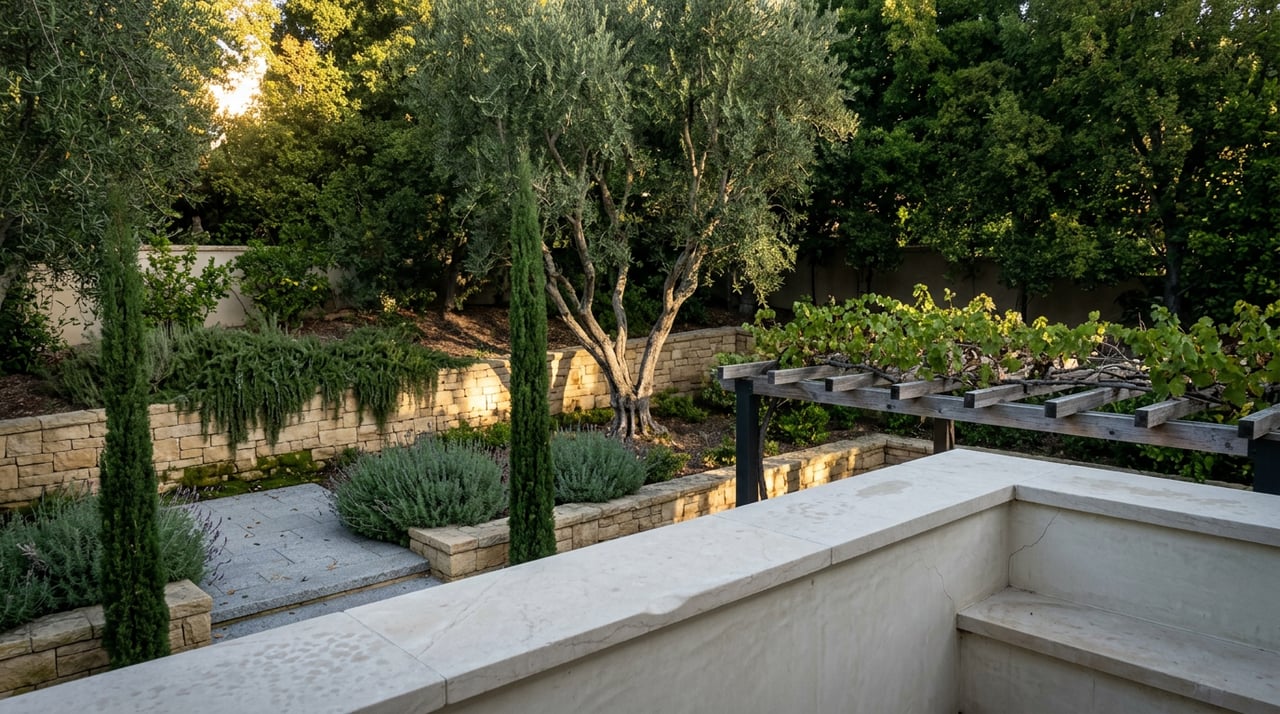
One of the biggest draws is the landscape itself. The city describes Wine Country as a place of vineyard-covered hills, ocean breezes, and cool nights, and local planning documents treat it as a Rural Preservation Area designed to protect agriculture, vineyards, and very low-density housing.
That means you are buying into a setting where open land is part of the point. Homes may sit on larger parcels, roads can feel more scenic than structured, and the overall pace can feel quieter than a master-planned community, at least during the week.
Rural does not mean identical
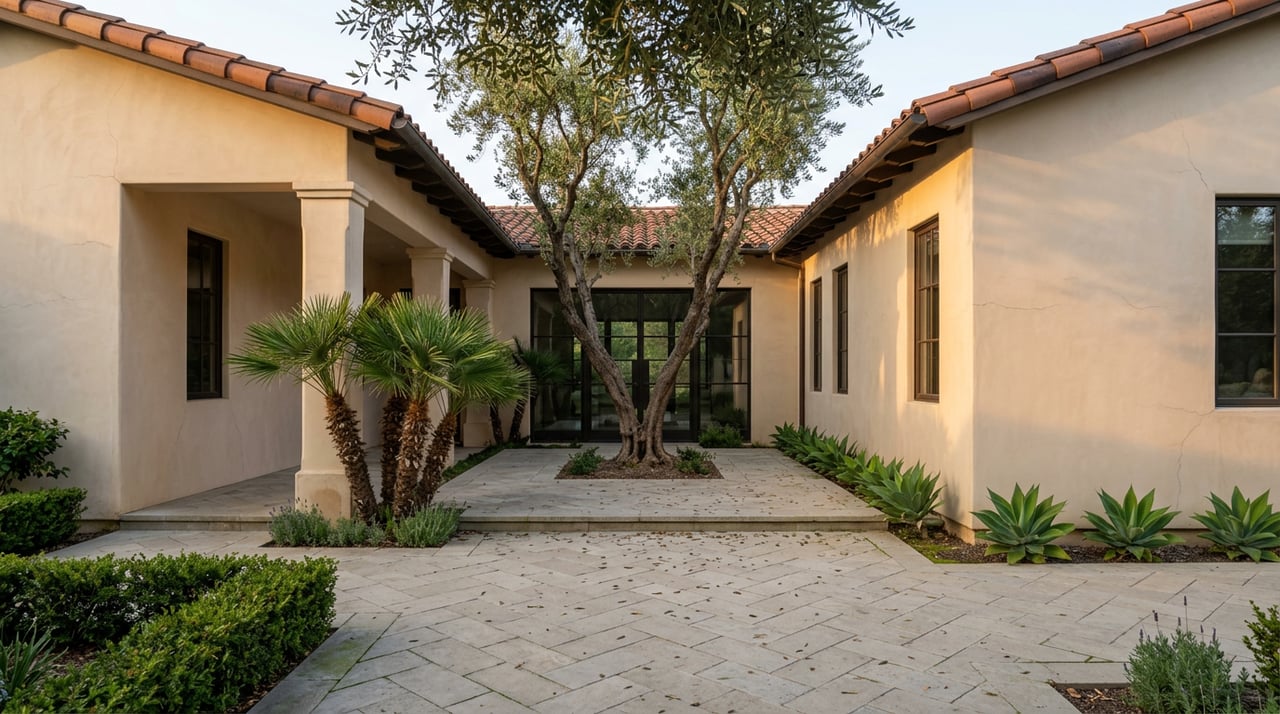
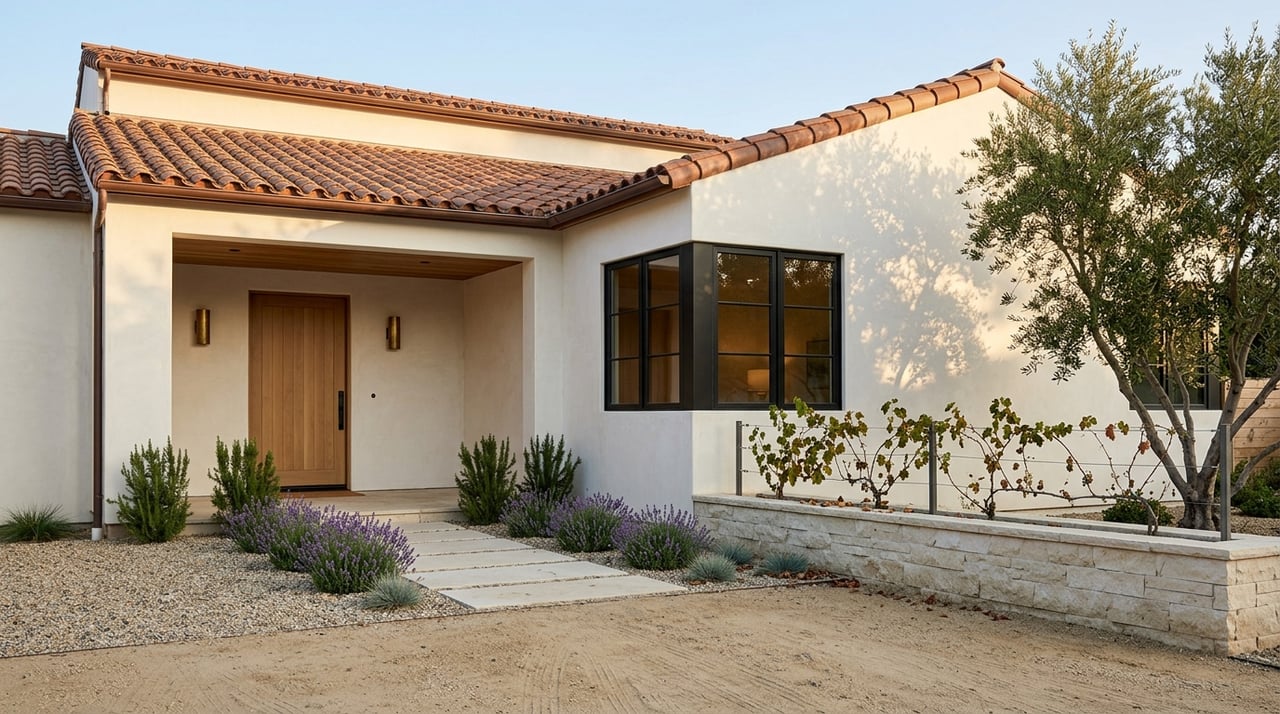
Not every property offers the same experience. Some homes are large acreage estates with private roads, vineyards, casitas, RV garages, or equestrian features, while other nearby areas in greater Temecula feel much more suburban.
That variation matters because two homes with a Temecula address can live very differently. The city’s General Plan explains that rural preservation areas are not intended to support urban levels of service, which is an important distinction for buyers comparing Wine Country with planned neighborhoods.
Daily Life Is More Hands-On
If you are used to tract-home living, Wine Country may feel less predictable and more maintenance-heavy. Larger lots can mean more land to manage, more driving, and more property-specific systems or approvals to understand.
In some cases, services and oversight may involve a mix of agencies rather than a simple city process. Depending on the parcel, buyers may need to account for county oversight, water district involvement, or environmental health considerations if septic is part of the property setup.
Upkeep is part of ownership
Owning a rural or semi-rural property often means thinking beyond the house itself. Temecula’s weed abatement program requires year-round vegetation maintenance and focuses closely on fire season from April through November.
For many buyers, this is manageable, but it is not passive ownership. If you want acreage, views, and space, you should also expect a higher level of responsibility tied to land care and fire preparedness.
Lighting rules may surprise you
Wine Country’s setting also comes with dark-sky considerations. The city requires dark-sky-compliant, fully shielded LED lighting, and Riverside County standards also call for shielded or hooded outdoor lighting to reduce glare and skyglow.
That may seem like a small detail, but it affects how you plan exterior improvements. It is one more example of how Wine Country living is shaped by preservation goals, not suburban convenience first.
Tourism Is Part of the Lifestyle
A big reality check for buyers is this: Temecula Wine Country is both residential and visitor-driven. That mix is part of its charm, but it also means your peaceful vineyard setting may feel busier on weekends, during events, and throughout harvest season.
The area hosts a steady stream of winery activity, and Temecula Valley Wine Month can include tastings, live entertainment, farm-to-table events, grape stomps, and sunset dinners. The city also notes that the Temecula Valley Balloon & Wine Festival has drawn 38,000 attendees over festival weekend.
Weekend traffic can be real
Because wineries and events are spread across scenic roads, traffic patterns can feel very different from weekday life. Roads that seem peaceful on a Tuesday morning can become much more active during popular event windows.
The city’s Temporary Use Permit rules explicitly recognize that major events may bring large gatherings, redirected traffic, live music, and related health and safety concerns. If you are considering a home near active winery corridors, this is worth taking seriously.
Noise depends on location
Buyers are often drawn to Wine Country for peace and open space, but noise is still part of the equation. In addition to event activity, the city’s planning documents point to traffic noise from routes such as I-15, Winchester Road, Highway 79 South, and Pechanga Parkway, along with aircraft using French Valley Airport.
That does not mean every property feels noisy. It does mean location matters a lot, and a careful property-by-property evaluation is smarter than assuming all acreage homes offer the same level of quiet.
Costs Can Vary Widely
Temecula as a whole covers a broad range of price points, but Wine Country often sits in a very different category from standard suburban housing. Early 2026 data in the research report shows a Temecula median sale price of $693,000 on Redfin and a median home price of $855,000 on Realtor.com, while some planned-community neighborhood medians range from the mid-$600,000s to the mid-$800,000s.
Wine Country listings, by contrast, can climb much higher. Public listings referenced in the research include acreage estates in the multi-million-dollar range, including properties with vineyards, private-road settings, casitas, and specialty garages.
The purchase price is only part of the budget
The bigger lot and rural setting can bring added ownership costs beyond your mortgage. Maintenance, vegetation management, lighting compliance, and parcel-specific utility or infrastructure questions can all affect your total cost of ownership.
That is why buyers should look at more than views and square footage. In Wine Country, the lifestyle budget can be just as important as the purchase budget.
Infrastructure Is Still Evolving
Another important reality is that infrastructure is not uniform across the area. Parts of Wine Country have faced development limits tied to sewer access, and Riverside County has announced major sewer investments to support future growth.
According to Riverside County’s infrastructure update, the county announced $19 million in sewer projects, and the FY 2025/26 budget includes a Wine Country Infrastructure fund. For buyers, that is a reminder that local infrastructure is still a meaningful factor, not background noise.
Regulations can differ by area
One of the easiest mistakes buyers make is assuming every Temecula property follows the same rules. In reality, city and unincorporated areas can be regulated differently.
For example, the research report notes that short-term rentals are prohibited in the City of Temecula, while Temecula Wine Country and other unincorporated areas fall under Riverside County rules instead. If you are considering a second home or part-time-use property, those distinctions matter early in your search.
Who Usually Loves Wine Country Living?
Wine Country tends to work best for buyers who want space, scenery, and a more rural pace. Many are drawn to acreage, custom homes, event access, and the sense of living somewhere with a strong identity.
This setting can be a strong fit if you are comfortable with:
- More driving for daily errands and services
- Seasonal tourism and event traffic
- Ongoing land and vegetation maintenance
- Property-specific infrastructure questions
- A lifestyle that feels less standardized than suburban living
Who May Want to Compare Other Areas?
Wine Country is not automatically the right fit for every buyer who loves the idea of vineyard views. If you want lower-maintenance living, clearer street patterns, more predictable services, or easier walkability, nearby planned communities may be worth comparing side by side.
That does not make one option better than the other. It simply means the right choice depends on how you want your daily life to feel after the excitement of the home search is over.
The Bottom Line on Temecula Wine Country
Temecula Wine Country offers a lifestyle that is hard to fake. You get dramatic scenery, larger parcels, a destination atmosphere, and a more open, rural character that stands apart from a standard subdivision.
At the same time, the reality includes weekend traffic, event activity, upkeep, fire-season responsibilities, and uneven infrastructure from parcel to parcel. If you go in with clear expectations, you can make a much smarter decision about whether Wine Country truly matches the way you want to live.
If you are weighing Temecula against other Southern California lifestyle options, working with an experienced advisor can help you compare not just homes, but day-to-day realities. To talk through your goals and get practical guidance tailored to your move, connect with Kevin Laurent.
FAQs
What is daily life like in Temecula Wine Country?
- Daily life in Temecula Wine Country is generally more rural, spread out, and variable than in a planned subdivision, with larger parcels, more driving, and property upkeep playing a bigger role.
Is Temecula Wine Country a quiet place to live?
- It can feel peaceful, especially on larger parcels, but noise levels depend on the property’s location near winery event corridors, major roads, and flight paths associated with French Valley Airport.
Are homes in Temecula Wine Country more expensive than other Temecula homes?
- Many Wine Country properties are priced above Temecula’s broader median home values, especially acreage estates with vineyards, guest space, or specialty features.
What should buyers know about owning land in Temecula Wine Country?
- Buyers should plan for vegetation management, fire-season preparation, dark-sky lighting compliance, and parcel-specific utility or infrastructure considerations.
Can a Temecula Wine Country home be used as a short-term rental?
- Rules depend on whether the property is in the City of Temecula or an unincorporated area, so buyers should verify jurisdiction-specific regulations before making plans.
Is Temecula Wine Country good for buyers who want suburban convenience?
- Buyers who want low-maintenance living, walkability, and more uniform city-style services may want to compare Wine Country with nearby planned communities before deciding.