Picture this: you wake up to rolling hills, vineyard views, and a quieter pace of life, yet you are still within reach of major Southern California hubs. If you are considering living near Temecula Wine Country, you are probably wondering whether the scenery and lifestyle match the day-to-day realities. This guide will help you understand what it is really like to live near Temecula Wine Country, from the setting and home styles to commuting, infrastructure, and local rhythms. Let’s dive in.
Temecula Wine Country at a Glance
Temecula Wine Country is not a tiny pocket with just a handful of tasting rooms. It is a large, established wine region in Riverside County with dozens of wineries and an official American Viticultural Area designation. Local sources describe it as an easy drive from San Diego, Los Angeles, and Orange County, which helps explain its broad appeal.
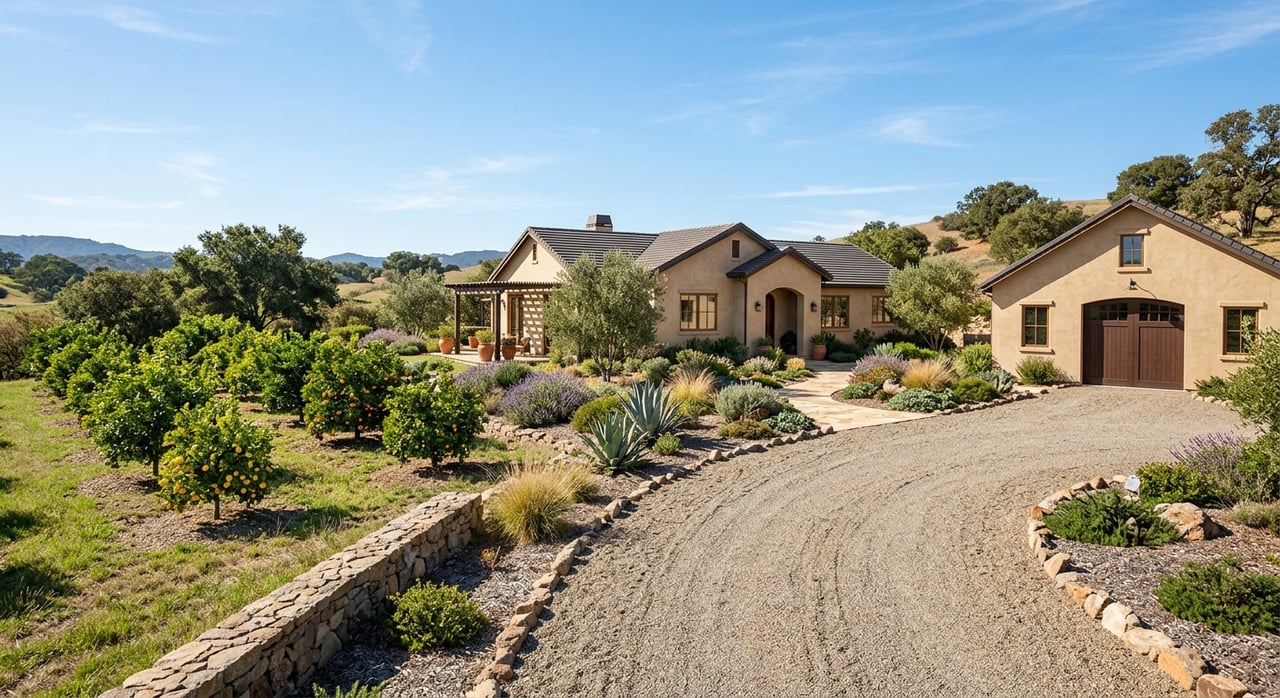
The setting is a major part of the draw. You can expect rolling hills, vineyard views, mountain backdrops, ocean breezes, well-drained granite soils, and cool summer nights at about 1,500 feet in elevation. The overall feel is more rural-resort than suburban.
Rancho California Road is the classic route into the area. A short drive east from Old Town Temecula brings you into the vineyard landscape that many buyers picture when they think about Wine Country living.
What the Area Feels Like
One of the biggest things to understand is that Wine Country is meant to stay rural in character. Temecula’s general plan identifies the area as a Rural Preservation Area, with land use focused on vineyards, agriculture, and low-density residential living that fits that setting.
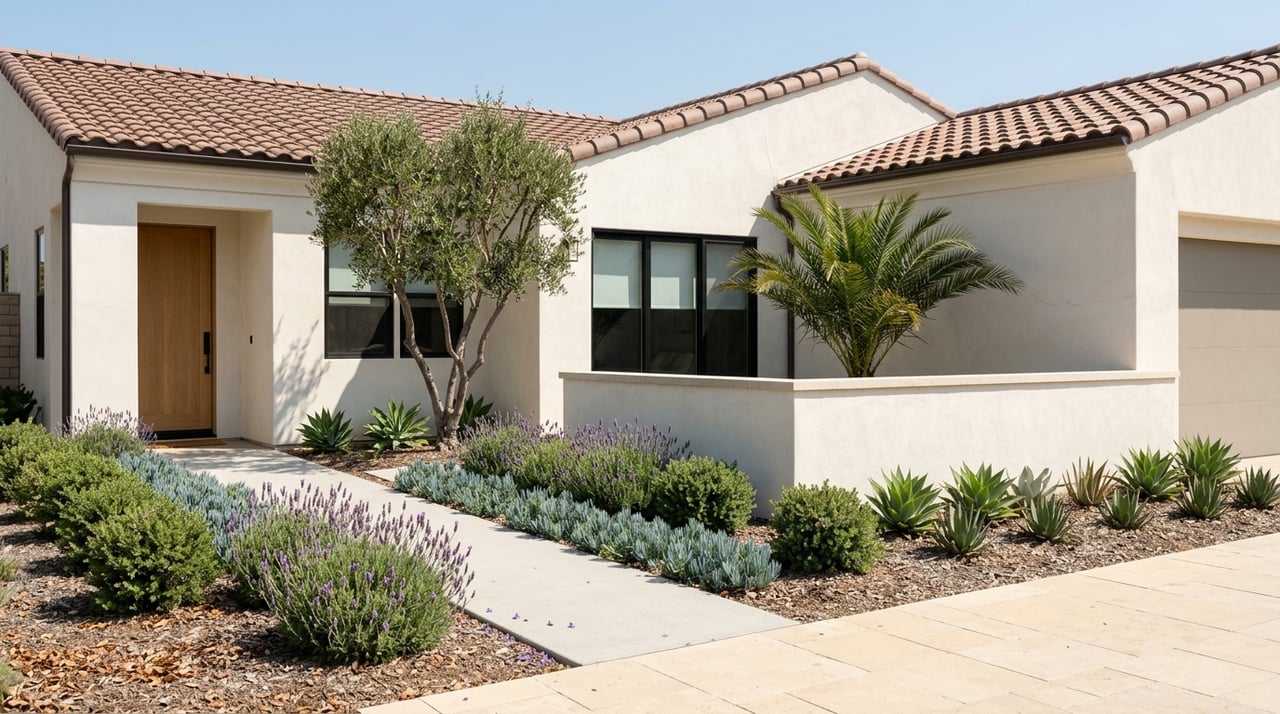
That matters if you are comparing it to other parts of Temecula. In many neighborhoods across the city, you will find a more traditional single-family suburban pattern. In Wine Country, the experience is more spread out, more open, and more tied to the land.
You will likely notice fewer tract-style surroundings and more separation between properties. Open space, large lots, and agricultural compatibility are core parts of the area’s identity, and the city’s planning framework is designed to protect that feel.
Homes Near Temecula Wine Country
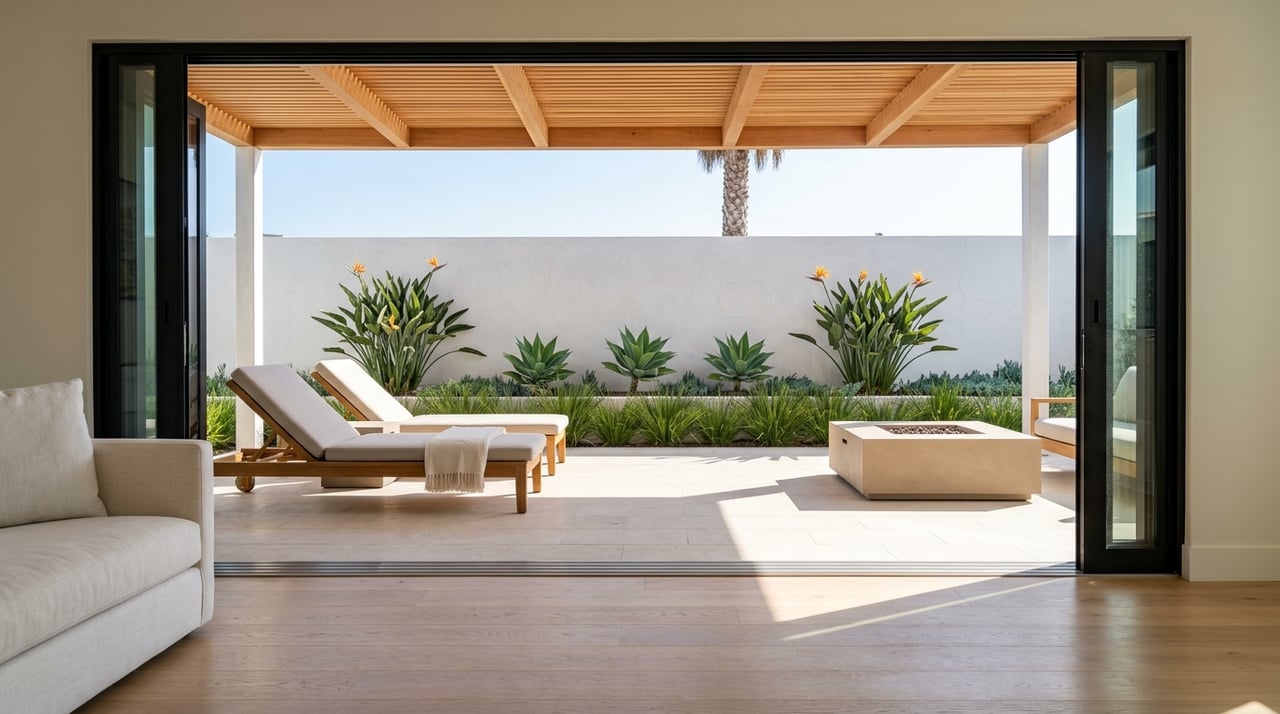
If you are home shopping here, the property itself often matters just as much as the house. Wine Country living is closely tied to acreage, views, privacy, and the visual setting around the home.
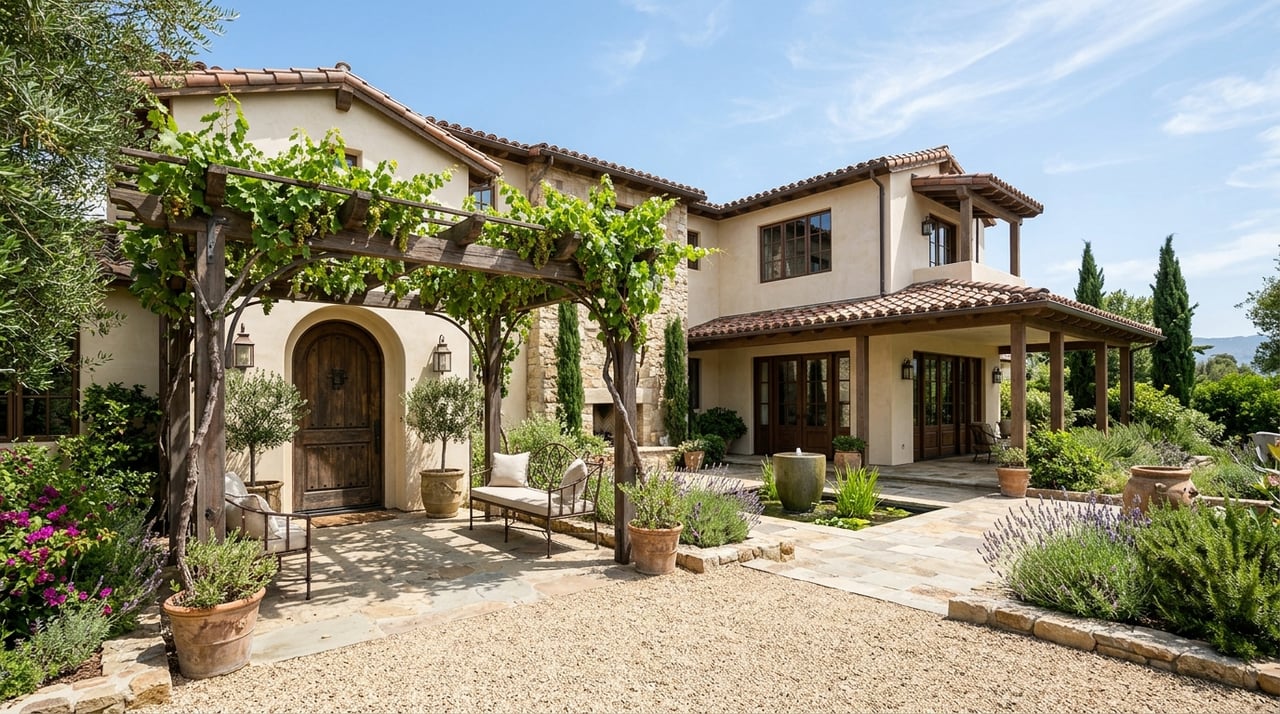
The area is commonly described with terms like grand estates, rustic ranches, and vineyard-lined surroundings. That gives you a good sense of the market’s character. You are often looking at custom or estate-style homes rather than a standard subdivision layout.
This can be a strong fit if you want more land, a more private setting, or a home that feels distinct from the usual neighborhood pattern. It may be less ideal if you prefer a compact, more uniform community with urban-style services close by.
Rural Infrastructure You Should Expect
A beautiful rural setting often comes with different property considerations than you would see in a typical neighborhood. In parts of Temecula Wine Country, drinking water may come from an individual domestic well or a water system, and wastewater may go to sewer or a septic system, depending on the property.
Riverside County Environmental Health oversees wells and septic systems countywide, including Temecula Wine Country-specific requirements. If you are buying a home on acreage or near vineyard land, it is smart to ask early about water source, wastewater setup, utility access, and any related permitting history.
This is one of the most important practical differences in the area. A home can look perfect on paper, but the real day-to-day experience may depend on how the property is serviced and maintained.
Commuting and Getting Around
Wine Country living is scenic, but it is still largely car-dependent. Even though Temecula has transportation resources that include Riverside Transit Agency buses, commuter express options, Amtrak, and Metrolink connections, most households will still rely heavily on driving.
That is especially important if you commute outside the immediate area. The I-15 corridor near Temecula Parkway, Rancho California Road, and Winchester Road has experienced severe congestion during peak afternoon and evening hours, and local agencies have active projects aimed at improving traffic flow.
If you are relocating from a denser area, this is worth thinking through carefully. The tradeoff for space, views, and a rural setting is often a more car-first daily routine.
County vs. City Services
Another detail that can surprise buyers is that some nearby rural areas, including parts of Wine Country, may fall outside Temecula city limits. In those areas, certain questions and services may be handled through Riverside County rather than the city.
For example, the city directs residents in some outside areas to Riverside County for code enforcement. That may not affect your day-to-day life much, but it does matter when you are researching a property, planning improvements, or trying to understand service responsibilities.
This is one more reason due diligence matters here. The setting is appealing, but the logistics can be more layered than in a typical in-town neighborhood.
Lifestyle Near the Vineyards
For many buyers, the lifestyle is the whole point. Living near Temecula Wine Country means you are close to a region known for wine tasting, outdoor recreation, entertainment, and a small-town atmosphere.
Wine tasting is a central part of the local weekend rhythm. The region has nearly 50 wineries, and many offer tasting rooms and tours. Some locations require reservations, and local tourism resources note that shuttle and limousine options are available for winery touring.
You are also close to Old Town Temecula, which adds a lot to everyday life. It is known as a walkable, easy-to-navigate district with shops, restaurants, hotels, and event opportunities.
Seasonal Events and Everyday Activities
Living near Wine Country means the calendar can feel more eventful than you might expect. Seasonal highlights in the broader Temecula area include spring wisteria viewing, summer entertainment, Fourth of July celebrations, Temecula Valley Wine Month in September, and harvest-related events in the fall.
The area also offers activities beyond the wineries themselves. Local sources highlight farmers’ markets, biking, horseback riding, hayrides, and nearby destinations such as Lake Skinner and the Santa Rosa Plateau.
Old Town Temecula adds more texture with a Saturday farmers’ market, the Temecula Valley Museum, and the Old Town Temecula Community Theater. So while Wine Country feels tucked away, you are not cut off from things to do.
Budget Expectations in Temecula
If you are trying to put the lifestyle into financial context, it helps to start with a broad benchmark. As of May 31, 2026, Zillow reports Temecula’s average home value at $767,152, with homes going pending in about 18 days.
That said, Wine Country properties can vary widely. Acreage, condition, views, access, and infrastructure can all affect pricing in ways that a citywide average does not fully capture.
If you are comparing a Wine Country property with a home elsewhere in Temecula, look beyond square footage alone. Land, privacy, utility setup, and long-term maintenance can be just as important to your real monthly and long-term costs.
Who Wine Country Living Fits Best
Living near Temecula Wine Country can be a great fit if you value space, scenery, and a more rural pace. It may also appeal to buyers who want a custom-home feel, larger lots, and a lifestyle shaped by local events and vineyard surroundings.
At the same time, it helps to be honest about the tradeoffs. You may have a longer drive for daily errands, more freeway dependence, and property systems that require closer review than a typical suburban home.
In other words, this is often a lifestyle choice as much as a real estate decision. If that lifestyle matches what you want, the area can offer something distinct within Southern California.
If you are considering a move and want help comparing Temecula Wine Country with other lifestyle-driven communities in Southern California, Kevin Laurent can help you evaluate the details that matter most, from property setup to market positioning and long-term value.
FAQs
What is it like living near Temecula Wine Country?
- Living near Temecula Wine Country typically means a scenic, rural-style setting with vineyard views, larger lots, custom homes, and easy access to wineries, Old Town Temecula, and seasonal events.
Are homes near Temecula Wine Country mostly suburban neighborhoods?
- No. The area is generally known for rural character, open space, large-lot living, and estate or ranch-style properties rather than traditional tract-home neighborhoods.
Do Temecula Wine Country homes have septic or well systems?
- Some properties may rely on an individual domestic well, a water system, sewer, or a septic system, depending on the parcel and location.
Is commuting from Temecula Wine Country difficult?
- Commuting is usually car-dependent, and the I-15 corridor near key Temecula interchanges can see severe congestion during peak afternoon and evening hours.
Is Temecula Wine Country close to things to do?
- Yes. You are near wineries, Old Town Temecula, local events, farmers’ markets, museums, theater, and outdoor destinations like Lake Skinner and the Santa Rosa Plateau.
What is the average home value in Temecula right now?
- Zillow reported Temecula’s average home value at $767,152 as of May 31, 2026, though Wine Country properties can vary widely based on acreage, setting, and condition.