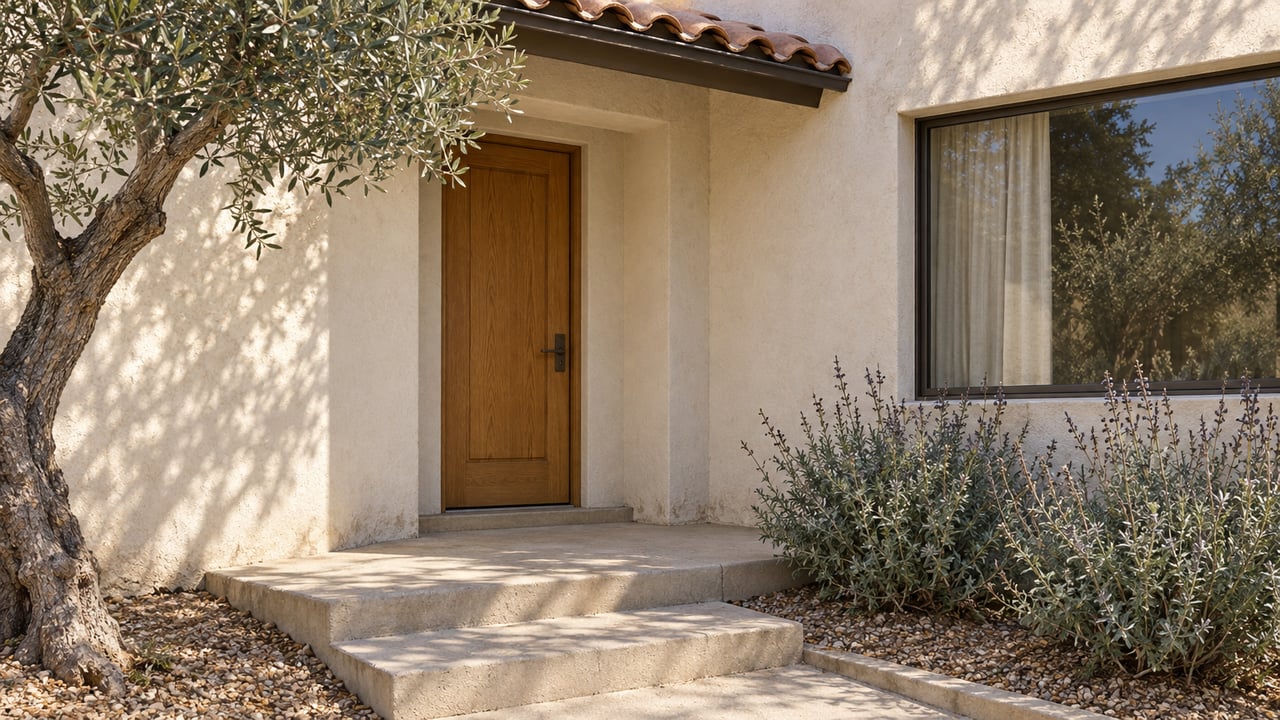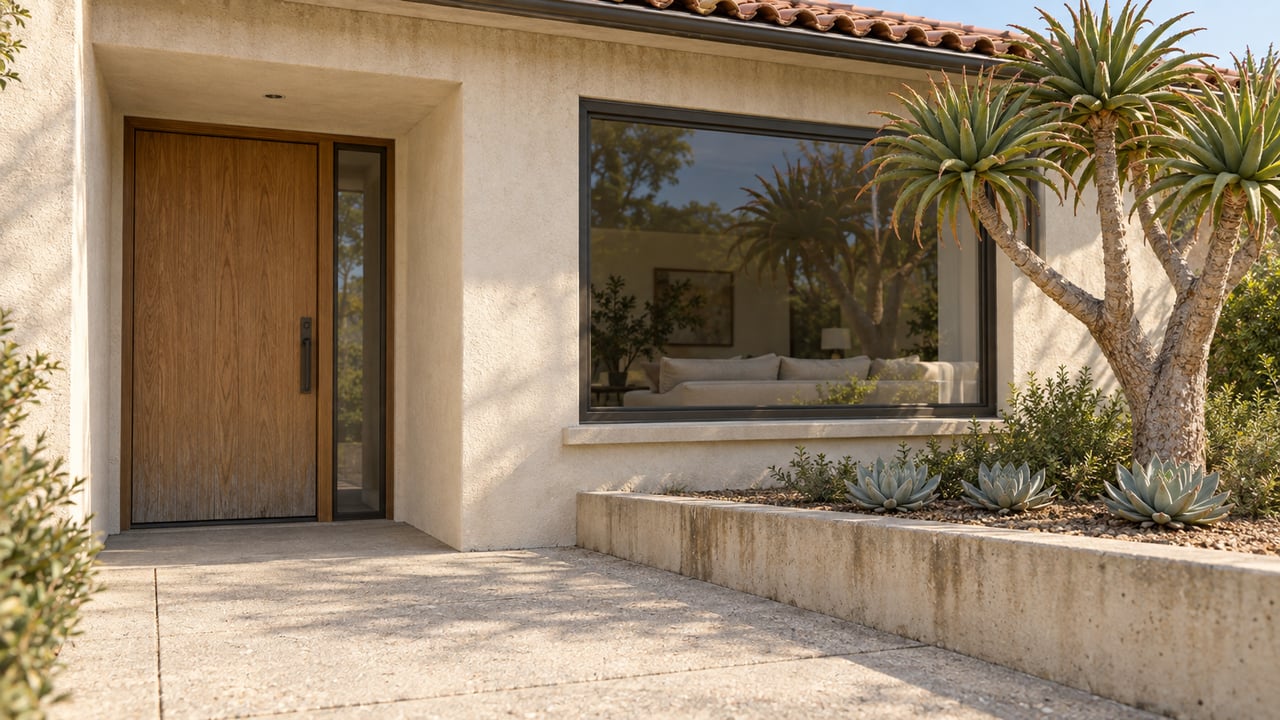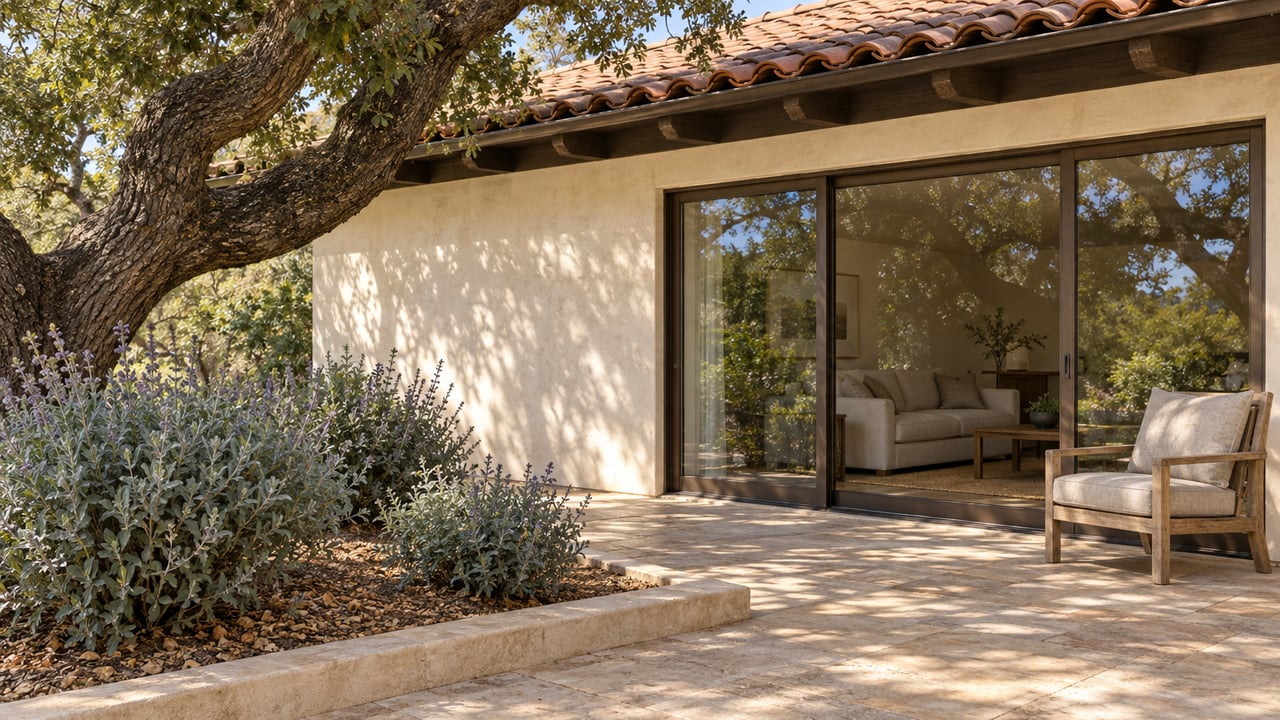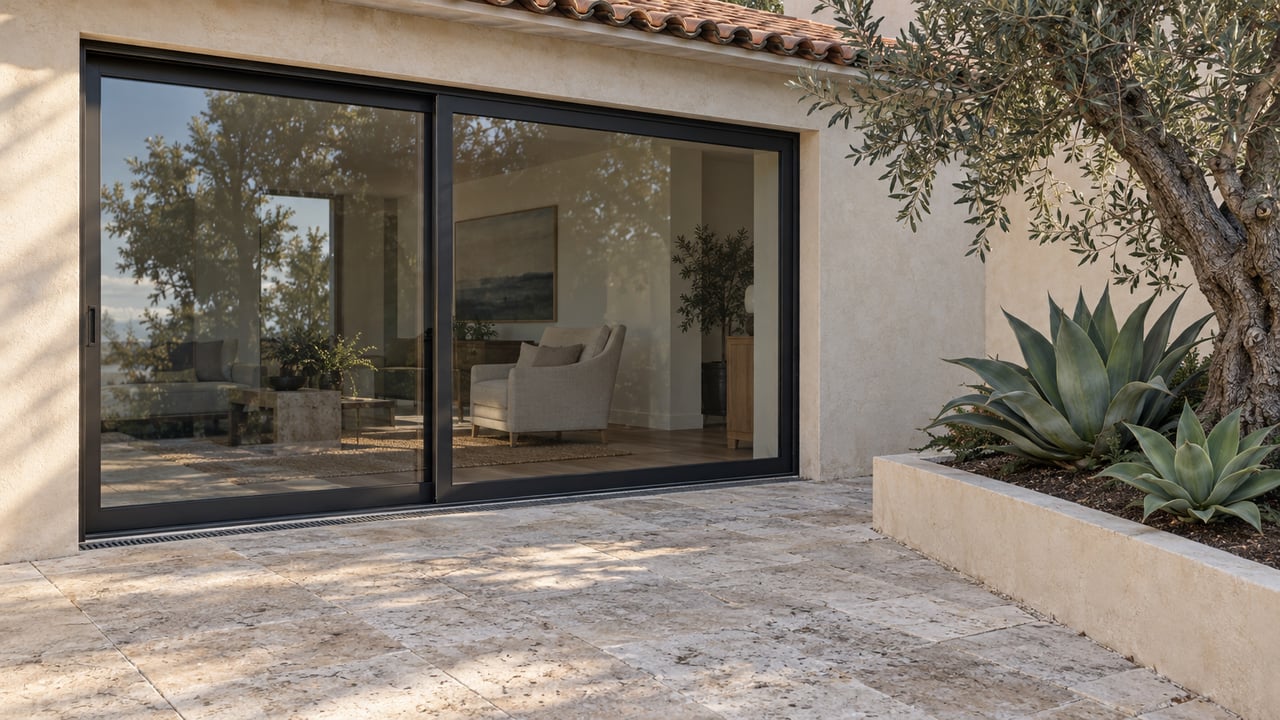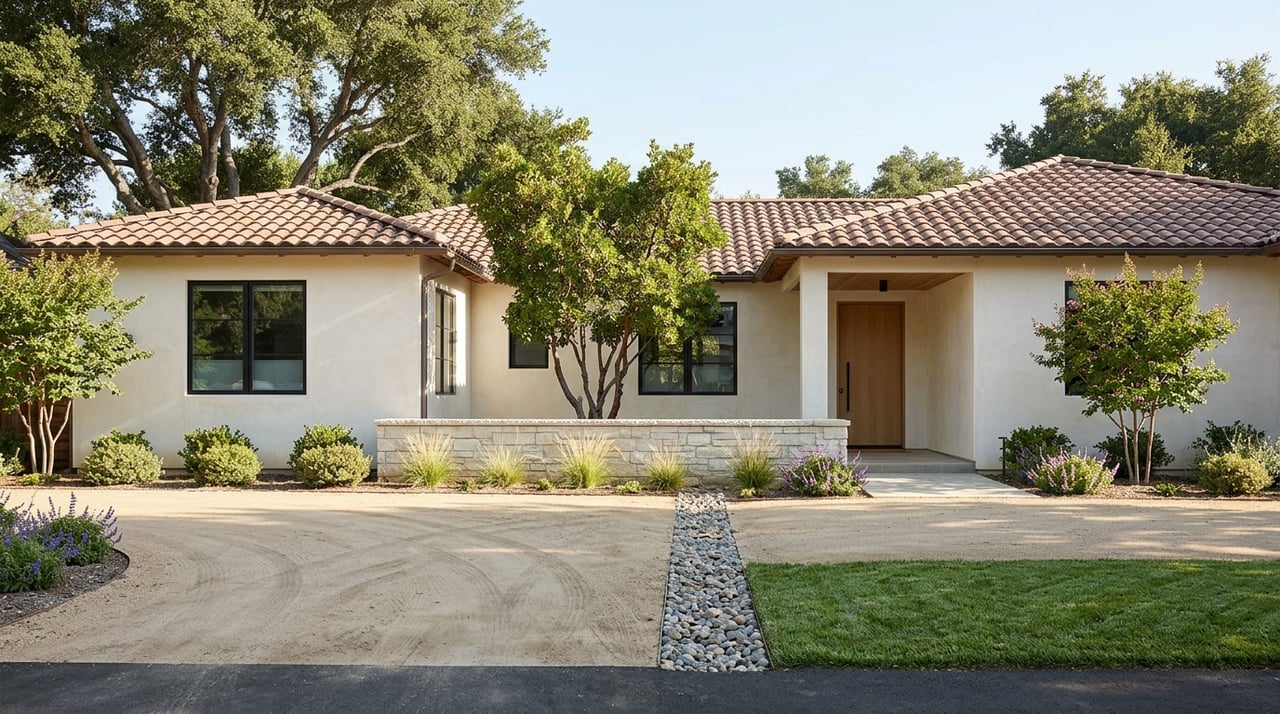
If you want a place that feels more relaxed than a typical suburb but still gives you everyday convenience, Fallbrook stands out fast. You get a compact village center, a broader semi-rural setting, and a local culture shaped by small businesses, open land, and outdoor access. For many buyers, that mix is exactly the appeal. Let’s dive in.
Why Fallbrook Feels Different
Fallbrook is an unincorporated North County community east of Camp Pendleton and south of Riverside County. County planning materials describe rolling hills, avocado and citrus orchards, rivers, and natural buffers that help shape the area’s character. The local planning group also points to vineyards and equestrian properties as part of the broader landscape.
The community is not especially dense or urban in feel. Instead, Fallbrook is best understood as a small-town, locally oriented area with both village life and country space. The 2020 Census counted 32,267 residents in the Fallbrook census-designated place, which helps explain why it feels established without feeling oversized.
Downtown Fallbrook Village Life
One of Fallbrook’s biggest lifestyle strengths is its downtown core. Main Avenue and the Main & Alvarado area anchor the village identity, with Vince Ross Village Square sitting in the heart of downtown. County planning for the area is tied to revitalization and beautification, with goals that include improving pedestrian access and mobility.
That matters if you want a community where daily life can feel more connected and local. Visit Fallbrook describes the town as walkable and highlights shops, galleries, public art, parks, and nature preserves. In practical terms, downtown gives you a recognizable center rather than a scattered, purely drive-through layout.
What you can expect downtown
Downtown Fallbrook has a local-business feel that many buyers notice right away. The Chamber of Commerce lists 20 restaurants, including cafes, Italian, sushi, BBQ, a deli and taproom, and a winery. That variety supports a town center that feels active without losing its small-scale charm.
You also have regular community events that keep Main Avenue lively throughout the year. Current highlights include the downtown Farmers Market, Fallbrook First Friday's, the Fallbrook Wine Trail, and the Fallbrook Fourth of July Celebration & Drone Light Show. These events help reinforce the village atmosphere that many residents value.
Local Culture and Community Events
If you are looking for a place with traditions and recognizable gathering points, Fallbrook delivers that in a very visible way. The best-known event is the Avocado Festival, which the chamber says has drawn about 100,000 people on the day of the event in many years. Activity centers on the Main Street festival area and extends to nearby merchants and museums.
That kind of event presence says a lot about the town’s identity. Fallbrook is not trying to be a fast-paced urban hub. Its appeal comes from being community-focused, locally rooted, and comfortable with a slower rhythm built around small businesses, seasonal events, and outdoor experiences.
Country Space Beyond the Village
The other half of Fallbrook’s appeal is what happens beyond downtown. County planning is designed to preserve the village boundary and protect the community’s rural charm and village atmosphere. That policy framework helps maintain a clear difference between the denser village core and the more open areas around it.
This is important if you are trying to picture what “living in Fallbrook” really means. Not every property is on acreage, and not every home sits in a dense neighborhood. Instead, the area offers a mix of housing settings, with higher-density housing like garden apartments and townhouses generally concentrated within the village boundary, while broader areas remain semi-rural or rural.
Why lot patterns matter
County policy calls for a minimum lot size of one-half gross acre in Semi-Rural areas and one acre in Rural Lands. The plan also discourages sewer expansion that could push growth in ways that would feel out of character with the area. Those decisions help explain why Fallbrook is often associated with larger parcels, open views, and a less uniform development pattern.
For buyers, that means you can find a wider range of living environments than in many master-planned communities. Some homes are closer to the village center, while others lean more into privacy, land, or a rural setting. The lifestyle fit depends on how much convenience versus space you want in your day-to-day routine.
Outdoor Access Is Part of Daily Life
Country space in Fallbrook is not just about private lots. It is also about visible open land and access to preserves, trails, and recreation areas. County planning materials describe a strong outdoor identity supported by parks, rivers, and protected land.
The Santa Margarita River area includes a 225-acre preserve with corrals for equestrian use. The planned San Luis Rey River Park is described as a 900-acre park with hiking, biking, and equestrian trails. On top of that, seven nature preserves total 1,885 acres, which reinforces how much open space is woven into the broader community experience.
What that means for your lifestyle
If you enjoy being outdoors, Fallbrook offers more than occasional green space. You are looking at a place where trails, preserves, and natural buffers are part of the setting. For many residents, that supports a calmer pace and a stronger connection to the landscape.
It also shapes how the community feels visually. Rolling hills, orchards, and open land create a different experience from tighter suburban tracts. Even if you live near downtown, the surrounding environment remains a major part of Fallbrook’s identity.
What the Housing Picture Suggests
Fallbrook’s housing stock appears to lean toward ownership. The Census Bureau’s 2020 to 2024 American Community Survey profile shows a 58.5% owner-occupied rate and a median owner-occupied home value of $784,100. Those numbers suggest a market with a substantial owner base and a pricing profile that reflects the area’s desirability and land patterns.
For a buyer, this means you should go in with a clear sense of priorities. If you want village access, your search may look different than if you want a larger parcel or a more rural setting. If you are selling, it also means your home’s location within Fallbrook’s mix of village and country environments can shape how buyers respond.
Is Fallbrook Right for You?
Fallbrook tends to appeal to people who want a local, small-town feel without giving up access to everyday essentials and community activity. The village center creates a social and practical hub, while the surrounding semi-rural and rural areas offer more breathing room. That combination is hard to find in a single community.
You may be especially drawn to Fallbrook if you value things like local events, independent restaurants, wineries, open space, and a less hurried setting. At the same time, it helps to be realistic about what you want. Some buyers want to be close to Main Avenue and village amenities, while others are focused on lot size, privacy, or a more country-style atmosphere.
How to Approach a Fallbrook Move
If you are considering a move to Fallbrook, it helps to narrow your search around lifestyle first. Ask yourself where you want to land on the spectrum between village convenience and country space. That can make your home search more focused from the start.
A few useful questions to consider include:
- Do you want to be closer to Main Avenue, Village Square, and community events?
- Are you looking for a property with more open land or a semi-rural setting?
- How important is trail access or proximity to preserves?
- Would you prefer a home in the village boundary or farther out in a more open area?
Those choices can have a major impact on the feel of your daily life. In Fallbrook, the lifestyle differences from one part of the community to another are part of what makes the market interesting.
If you are thinking about buying or selling in Fallbrook, working with someone who understands North County’s neighborhood differences can help you make a more confident decision. For local guidance, market insight, and a practical plan tailored to your goals, connect with Kevin Laurent.
FAQs
What is Fallbrook known for as a place to live?
- Fallbrook is known for its combination of a compact downtown village center and a broader semi-rural setting with rolling hills, orchards, wineries, and outdoor space.
What is downtown Fallbrook like for daily life?
- Downtown Fallbrook centers on Main Avenue and Village Square, with shops, galleries, public art, restaurants, community events, and a walkable village feel.
Are all homes in Fallbrook on large lots?
- No. County planning distinguishes between the village core, where higher-density housing can be located, and semi-rural or rural areas, where lot sizes are generally larger.
What outdoor amenities are available in Fallbrook?
- Fallbrook has access to trails, preserves, equestrian areas, and open space, including the Santa Margarita River preserve and the planned San Luis Rey River Park.
Is Fallbrook more rural or suburban?
- Fallbrook is best described as a mix. It has a village-style downtown core, but much of the surrounding area retains a semi-rural or rural character.
What should buyers consider before moving to Fallbrook?
- Buyers should think about whether they want to be closer to downtown amenities or in a more open setting, since different parts of Fallbrook offer very different lifestyle experiences.