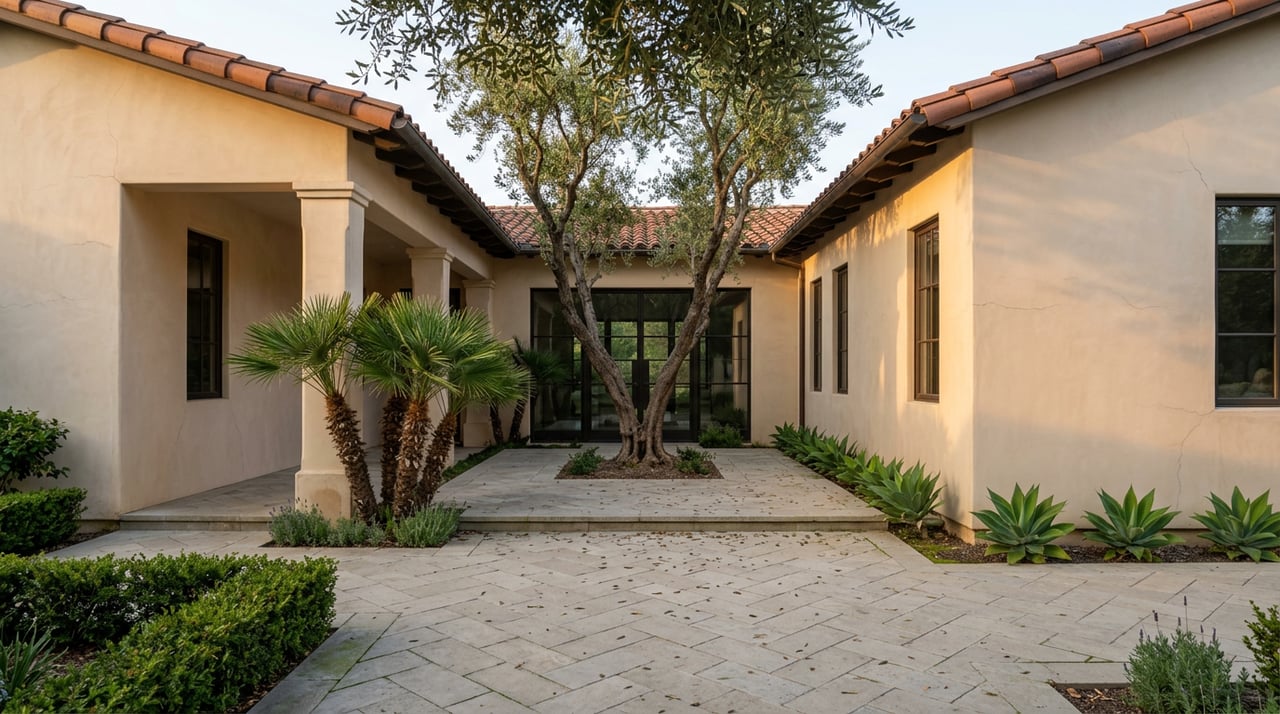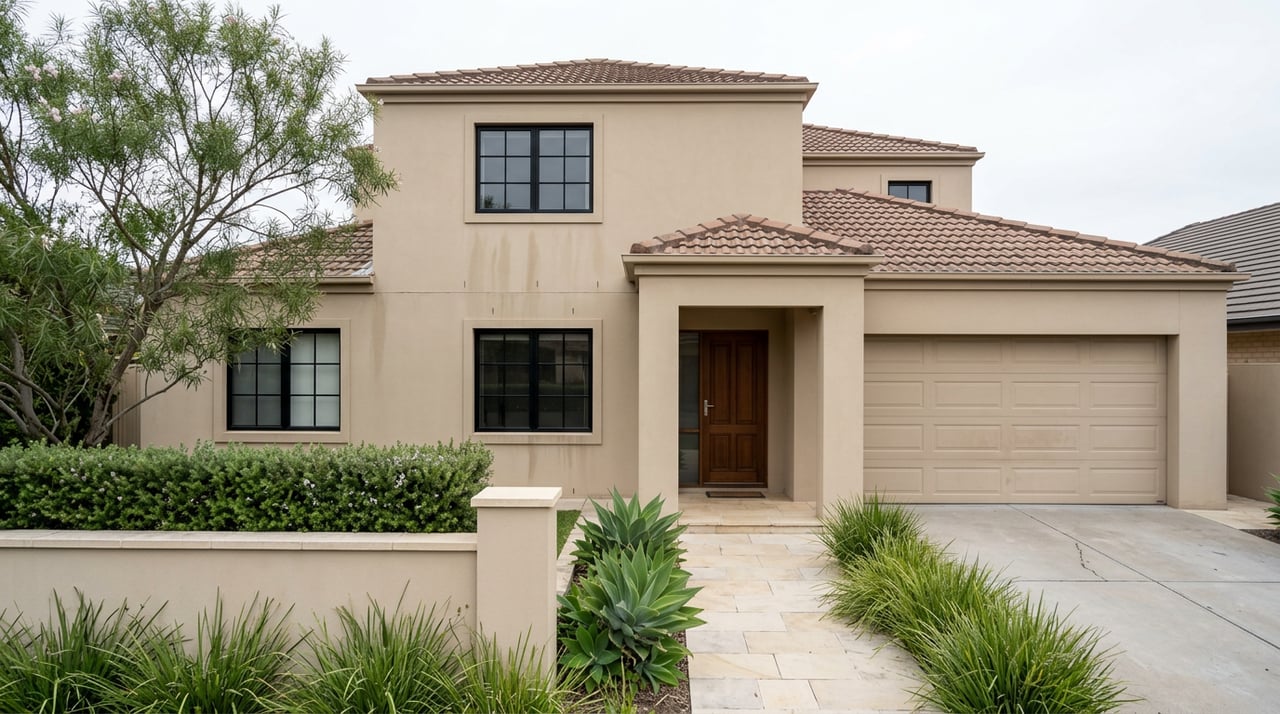
A buyer we'll call typical is comparing two homes priced within a few thousand dollars of each other. One sits in Eastlake Trails. The other sits in Otay Ranch's Millenia district. Same square footage, same bedroom count, same list price on the portal. The buyer assumes the monthly payment will land in roughly the same place too.
Then the preapproval letter comes back, and the numbers don't match. One home carries a $2,400 annual special tax that adds about $200 a month to escrow. The other carries closer to $3,000, pushing another $250 into the housing expense line the lender uses to calculate debt-to-income. Neither home disclosed this clearly on the listing sheet. Both required a trip to the county tax bill to find the real figure.
This is the part of buying in Chula Vista's east side that the median price on any portal will never show you: the name on the map tells you almost nothing about the bill you're actually signing up for.
Why Chula Vista's newer villages carry a second price tag
Proposition 13 capped California property tax at 1% of assessed value back in 1978, which protected homeowners from runaway increases but left cities without an obvious way to fund roads, parks, and utilities in fast-growing areas. The workaround, formalized under the Mello-Roos Community Facilities Act of 1982, lets a city create a Community Facilities District, or CFD, and levy a special tax on top of the base 1% to pay off the bonds that funded that infrastructure.
Chula Vista's older, central neighborhoods were mostly built before this financing tool existed, so they're far less likely to carry Mello-Roos today. Eastlake and Otay Ranch were built after it, in phases, over four decades, which means the tax follows the construction timeline rather than any single boundary line on a map.
Eastlake's five villages don't share a bill
Eastlake isn't one neighborhood with one HOA and one tax rate. City records break it into distinct sub-areas: Eastlake Greens, Eastlake Trails, Eastlake Woods, Eastlake Vistas, Eastlake Shores, and Eastlake Village Center, each developed in its own phase with its own association and its own CFD obligations. San Diego County's Mello-Roos records even list districts down to the sub-village level, with names like CFD 07M covering the Eastlake III Woods and Vistas phases specifically. That level of granularity exists because the actual tax amounts differ by phase, not because of bureaucratic overkill.
As of February 2026, Eastlake's median sale price sat around $729,000, and the area was competitive enough that homes were selling in roughly six and a half weeks with multiple offers common. That figure describes the sale price. It says nothing about whether that particular home sits in a village with a $1,500 annual special tax or one closer to $4,000.
Otay Ranch stacks amenities on top of the tax
Otay Ranch tells a similar story with a different set of names. The Village of Escaya, developed by HomeFed Corporation starting in June 2017, is one piece of the larger 22,899-acre Otay Ranch master plan, among the largest planned communities in the country. Escaya's HOA dues fund resort-style amenities most buyers actually use, including the Orchard Club pool complex and the Harvest Wellness Center, along with a 7.5-acre park with basketball and pickleball courts. Windingwalk, established as its own master association back in 2003 and largely built out by 2008, runs on a separate fee structure entirely. Millenia, the newer commercial and residential push near CA-125 and Birch Road, brought retail anchors like HomeGoods and World Market to the area but has its own set of dues layered on top of whatever CFD applies to the specific parcel.
Otay Ranch Village's median sale price has run around $878,000 over the trailing twelve months, down about 7% year over year. Again, that's the sale price. The Orchard Club membership, the wellness center, and the CFD bond payments funding roads and drainage systems across the villages are separate lines that show up on the tax bill and the HOA statement, not the sale price.
What the villages actually cost, side by side
| Eastlake | Otay Ranch | |
|---|---|---|
| Recent median sale price | ~$729,000 (Feb 2026) | ~$878,000 (trailing 12 months, down ~7% YoY) |
| Structure | Five-plus distinct villages, each with its own HOA and CFD phase | Multiple villages (Escaya, Millenia, Windingwalk, Otay Ranch Village) each with separate dues |
| Typical Mello-Roos range for newer Chula Vista master-planned communities | $1,500 to $4,000 per year, verified by parcel | $1,500 to $4,000 per year, verified by parcel |
| Amenities funded by dues | Parks, pools, and greenbelts vary by village | Orchard Club, Harvest Wellness Center, farmers market infrastructure, trail links to the future Otay Ranch Preserve |
The range in that third row is the number that should change how you read every listing in either area. A $1,500 tax and a $4,000 tax both round to "Mello-Roos applies" on an MLS sheet, but they are not remotely the same monthly obligation.
The math that changes your preapproval, not just your budget
Lenders treat Mello-Roos as a housing expense, folded into the same debt-to-income calculation as your mortgage principal, interest, and property taxes. A $2,400 annual special tax adds about $200 a month once it's escrowed. A $3,000 special tax adds close to $250. That difference sounds small until you're at the edge of your qualifying ratio, where an extra $50 a month can lower your maximum approved loan amount by more than the number itself suggests, because lenders size the loan to the total monthly obligation, not just the mortgage piece.
This is why two homes with identical list prices in Eastlake and Otay Ranch can qualify differently for the same buyer. The special tax isn't a rounding error. It's underwriting math.
The trade-off nobody puts on the flyer
Older, more central Chula Vista neighborhoods built before Eastlake and Otay Ranch's development era are far less likely to carry Mello-Roos at all. That's a real advantage for a buyer counting every dollar of DTI. It also usually means fewer resort-style amenities, no Orchard Club, no walkable village center with a Tuesday farmers market at the Town Center, and often older infrastructure that hasn't been rebuilt with CFD bond money.
Neither choice is objectively better. It's a trade between paying for amenities through a special tax now or living without them and keeping the monthly number lower.
Before you write the offer
- Pull the current property tax bill by APN through the San Diego County Treasurer-Tax Collector's office and look for a line item labeled CFD, Special Tax, or a specific district name.
- Request the HOA resale certificate and CC&Rs so you know what the monthly dues actually cover, not just what they cost.
- Ask for the CFD engineer's report or Rate and Method of Apportionment, which shows whether the tax is scheduled to increase, decrease, or stay flat as the bond ages.
- Add the Mello-Roos figure and HOA dues to your mortgage, insurance, and base property tax before comparing two homes, even if both are labeled the same village name.
A few questions worth settling early
Does Mello-Roos ever go away? The special tax typically runs for the life of the bond that funded the infrastructure, often 20 to 40 years, and ends once that bond is paid off. Ask how many years remain on the specific CFD before you assume it's permanent.
Are HOA dues and Mello-Roos the same thing? No. Mello-Roos is a public special tax collected with your property tax bill. HOA dues go to a private association for community upkeep and amenities. A home can carry one, both, or neither.
Can I deduct Mello-Roos on my taxes? It depends on how the specific charge is structured under federal rules, and some portions may qualify while others don't. This is a question for a tax professional reviewing your actual bill, not a general rule that applies to every parcel.
If you're comparing homes in Eastlake, Otay Ranch, or anywhere else in Chula Vista's east side, the sale price on the listing is the beginning of the conversation, not the end of it. Kevin Laurent has spent more than two decades running these numbers by parcel for North County and South Bay buyers who want to know the real monthly total before they write an offer, not after. Let's connect and get your complimentary home valuation, plus a clear read on what any specific address will actually cost you every month.